Abstract Frame Artwork: Integrating Ornamental Design into Professional and Creative Workflows
In the modern digital landscape, visual assets are rarely static decorations; they are functional components of a larger communication strategy. Abstract Frame Artwork serves as a versatile structural element that bridges the gap between raw content and polished presentation. Whether you are a graphic designer preparing a client deliverable, a small business owner creating marketing materials, or an educator developing engaging courseware, understanding how to integrate this specific type of ornamental design is crucial for maintaining consistency and quality.
This decorative drawing is not merely an image; it is a tool for organization and emphasis. When utilized correctly, it guides the viewer's eye, frames key information, and adds a layer of professional sophistication to otherwise plain layouts. The availability of high-resolution files ensures that these elements can be deployed across various mediums without losing clarity, making them suitable for everything from high-stakes business presentations to personal scrapbooking projects.
Defining the Role of Abstract Frames in Visual Communication
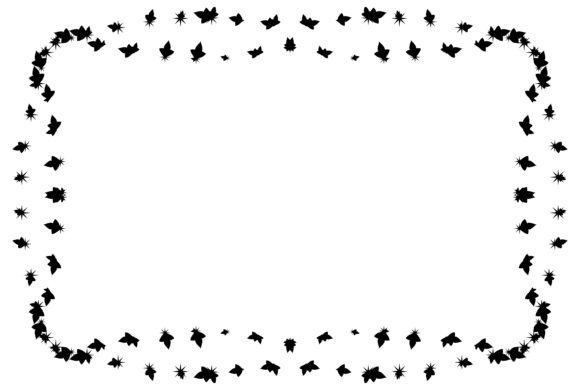
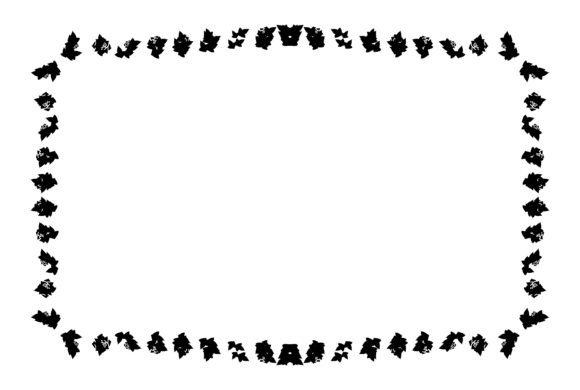
An abstract frame differs significantly from traditional, literal borders. Instead of relying on geometric lines or floral patterns that might date quickly, abstract frames utilize fluid shapes, calligraphic strokes, and organic forms to create a sense of movement and depth. This makes them particularly effective for brands looking to convey creativity, innovation, or artistic flair.
The primary function of this artwork is to act as a container. In a workflow context, think of the frame as the foundation upon which your message is built. It separates the content from the background noise, ensuring that the core message—whether it is text, a photograph, or a logo—remains the focal point. For professionals using tools like Photoshop, Illustrator, or GIMP, these frames provide a pre-designed structure that saves hours of manual vector tracing, allowing for faster project turnaround times.
Technical Specifications and File Compatibility
The utility of any digital asset depends heavily on its technical specifications. The Abstract Frame Artwork discussed here is provided in a comprehensive ZIP folder containing both PNG and JPG formats. This dual-format approach addresses different stages of the production process:
- PNG Files: These files feature transparency, making them ideal for overlaying onto existing designs. They are essential for web graphics, mobile apps, and layered compositions where the background needs to remain visible.
- JPG Files: These are perfect for final print outputs where a solid background is required or when file size optimization is a priority for email distribution.
A critical factor in their usability is the resolution. With dimensions of 4936x3319 pixels at 300 DPI, these images meet the rigorous standards for high-quality printing. This resolution ensures that whether you are producing large-scale banners, detailed invitation cards, or crisp business cards, the ornamental details remain sharp and free from pixelation. This level of quality control is vital for maintaining brand integrity across all customer touchpoints.
Strategic Integration Across Creative and Business Workflows
Understanding where Abstract Frame Artwork fits into a broader process requires looking at the lifecycle of a creative project. These assets are not limited to a single phase but can be employed before, during, and after the creation of a final product.
Pre-Production: Planning and Conceptualization
Before a single line of copy is written or a photo is edited, designers often use abstract frames to establish the visual hierarchy of a project. By placing a frame over a rough sketch or a wireframe, stakeholders can visualize how content will flow within a defined space. This step is particularly useful for bloggers and publishers planning website layouts or book covers. It allows teams to make decisions about spacing, font selection, and color contrast early in the process, reducing the need for costly revisions later.
During Production: Asset Creation and Assembly
Once the concept is approved, the actual assembly begins. Here, the versatility of the graphic design element shines. Because these files are compatible with industry-standard software such as Photoshop Elements and Adobe Illustrator, they can be easily manipulated. You can adjust the opacity to create subtle backgrounds, resize the frame to fit specific aspect ratios, or combine multiple frame elements to create complex collages.
For entrepreneurs and freelancers working on print-on-demand products, these frames serve as the primary template. A single abstract design can be adapted for a series of greeting cards, stickers, or promotional banners by simply changing the central content. This modularity significantly increases efficiency, allowing creators to produce high volumes of consistent branding without starting from scratch for every new item.
Post-Production: Marketing and Distribution
The workflow does not end with the design file. Once the product is created, the frame continues to play a role in marketing. High-quality abstract frames enhance the perceived value of digital invitations, social media posts, and email newsletters. When customers see a cohesive, professionally framed design, they are more likely to engage with the content. Furthermore, the scalability of the 300 DPI files means that successful campaigns can be scaled up for physical signage or down for thumbnail previews without compromising the aesthetic.
Diverse Use Cases for Modern Creators
The adaptability of this decorative drawing extends far beyond simple decoration. Its application spans a wide array of industries and personal hobbies, making it a valuable addition to any digital toolkit.
- Editorial and Publishing: Authors and editors can use these frames for chapter headings, pull quotes, or cover art. The abstract nature allows the frame to complement various genres, from fiction novels to academic journals, without clashing with the subject matter.
- E-commerce and Branding: Small business owners can integrate these elements into product photography backgrounds or packaging designs. A well-placed frame can turn a standard product shot into a premium offering, justifying higher price points and improving conversion rates.
- Event Planning: For wedding planners or event coordinators, these graphics are perfect for invitation cards and banners. The ornamental design adds a touch of elegance and formality that is often required for significant life events.
- Crafting and DIY Projects: Hobbyists who use machines like Cricut can leverage the precision of these vector-compatible outlines. Cutting out paper versions of these frames allows for the creation of custom scrapbooks, wall art, and handmade gifts that look professionally finished.
- Digital Content Creation: Bloggers and vloggers can use these assets as overlays for video thumbnails or headers for blog posts. They help break up long blocks of text and keep the reader engaged by providing visual rest stops.
Optimizing Efficiency and Quality Control
When integrating Abstract Frame Artwork into your routine, several factors determine success. Organization is key; keeping a dedicated library of these ZIP folders ensures that you always have access to the correct versions of your assets. Naming conventions should reflect the intended use (e.g., "Frame_Invitation_PNG" vs. "Frame_Print_JPG") to prevent confusion during busy production cycles.
Consistency is another critical element. Using the same frame style across a series of documents or products reinforces brand recognition. However, flexibility is also important. The ability to modify the frame's appearance in software like GIMP or Illustrator allows you to adapt the asset to different contexts while maintaining the core identity of the design.
Quality control should never be an afterthought. Before publishing or printing, always verify the output against the original 300 DPI source. Check that the edges of the frame are clean and that no unintended artifacts appear, especially when resizing. For digital users, ensure that the transparent backgrounds in PNG files render correctly on various screen sizes and devices.
Conclusion
The integration of Abstract Frame Artwork into your projects represents a strategic decision to elevate the quality and professionalism of your output. By providing a robust, high-resolution, and versatile design element, these assets streamline the creative process and reduce the time spent on formatting. Whether you are designing a complex website, crafting a personalized gift, or launching a new product line, having access to such a comprehensive library of ornamental designs empowers you to focus on the content that truly matters.
As you explore the possibilities of this graphic design element, consider how it can transform your current workflows. From the initial planning stages to the final delivery, these frames offer a reliable framework for your creativity. Visit our shop to discover more decorative art options that can further enhance your projects and help you achieve your professional and personal goals with greater ease and impact.