Crystal Diamond Line Frame. Geometric De: Elevating Visual Hierarchy with Precision
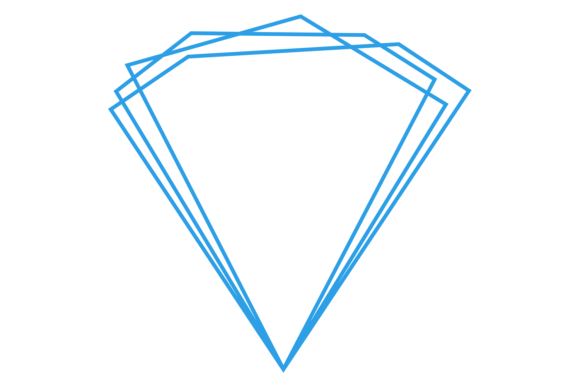
In an era where digital attention spans are shrinking and visual noise is at an all-time high, the ability to create clean, structured, and aesthetically pleasing layouts has become a critical skill for designers, marketers, and content creators. Amidst this clutter, there is a growing preference for elements that offer both elegance and clarity. One such element that has gained significant traction in modern design workflows is the Crystal Diamond Line Frame. Geometric De. This specific style of decorative border combines the sharp precision of geometric line work with the faceted brilliance implied by crystal motifs, offering a sophisticated way to frame content without overwhelming it.
The relevance of this design component lies not just in its beauty, but in its functional versatility. Whether used as a subtle divider in a blog post, a premium accent on a business card, or a structural boundary for a product showcase, the Crystal Diamond Line Frame provides a sense of order and refinement. For professionals ranging from freelance graphic designers to corporate brand managers, understanding how to effectively deploy these geometric borders can significantly enhance the perceived value of their work. It is no longer enough to simply display information; the presentation must communicate quality, stability, and attention to detail.
The Evolution of Geometric Decoration in Digital Design
To understand why the Crystal Diamond Line Frame is currently resonating with creative professionals, it is helpful to look at the broader trajectory of graphic design trends. For decades, decoration in layout design often swung between two extremes: maximalist ornamentation and stark minimalism. The mid-20th century saw a heavy reliance on ornate, floral, or baroque patterns, while the late 20th and early 21st centuries embraced the "less is more" philosophy popularized by Swiss Style and Bauhaus influences.
However, recent years have witnessed a synthesis of these approaches. Users today appreciate the cleanliness of minimalism but crave the tactile warmth and visual interest of more intricate details. This shift is driven by changes in user expectations. As screens become higher resolution and devices more varied, static, flat designs can sometimes feel sterile or outdated. There is a desire for depth and texture, even in vector-based graphics. The Crystal Diamond Line Frame addresses this need by introducing a structured yet intricate pattern that mimics the complexity of natural crystals through mathematical precision.
This evolution reflects a broader trend toward "refined minimalism." Designers are moving away from purely utilitarian interfaces toward experiences that feel curated and premium. The geometric nature of the diamond line frame ensures that it remains legible and scalable across different media, while the "crystal" aspect adds a layer of sophistication that appeals to luxury markets, tech startups aiming for a polished image, and educational materials seeking to appear authoritative. It bridges the gap between cold functionality and artistic expression.
Technical Versatility and Workflow Integration
One of the primary reasons the Crystal Diamond Line Frame has become a staple in many design libraries is its technical adaptability. In professional workflows, assets must be flexible, scalable, and easy to integrate into various platforms. The availability of this geometric decorative border in multiple formats—specifically EPS, JPG, SVG, and transparent PNG—ensures that it fits seamlessly into diverse production pipelines.
The SVG (Scalable Vector Graphics) format is particularly crucial for web designers and UI/UX professionals. Because SVGs are resolution-independent, they remain crisp on any device, from standard laptop displays to high-density Retina screens and mobile phones. This means that the intricate lines of the diamond frame do not pixelate or blur when scaled up for hero banners or down for footer accents. Furthermore, SVG code can often be manipulated directly via CSS, allowing developers to change colors, stroke widths, or animation properties dynamically. This interactivity aligns with modern web standards that prioritize performance and accessibility alongside aesthetics.
For print-heavy industries, the EPS (Encapsulated PostScript) format remains the gold standard. When creating physical marketing materials such as brochures, packaging, or high-end invitations, the ability to scale the vector artwork without loss of quality is non-negotiable. The precise line weights of the Crystal Diamond Line Frame translate beautifully to offset printing and laser engraving, maintaining their sharpness and integrity. Similarly, JPG files offer a quick, universally compatible option for social media graphics or email newsletters where vector editing is not required, while transparent PNGs provide immediate ease of use for drag-and-drop tools used by non-designers, such as bloggers or small business owners using platforms like WordPress or Shopify.
Practical Applications Across Industries
The utility of the Crystal Diamond Line Frame extends far beyond traditional graphic design studios. Its application spans numerous sectors, each leveraging its unique properties to meet specific communication goals.
- Branding and Identity: For businesses positioning themselves as premium or innovative, incorporating geometric diamond frames into logos, letterheads, and brand guidelines adds a touch of exclusivity. It signals that the brand values precision and detail. A law firm, for instance, might use a subtle diamond line frame around case summaries to convey stability and structure, while a tech company might use brighter, animated versions of the frame to suggest innovation and forward-thinking.
- Content Marketing and Blogging: In the realm of long-form content, visual breaks are essential for reader retention. Instead of using generic horizontal rules, bloggers and editors can use segments of the Crystal Diamond Line Frame to separate sections, highlight quotes, or frame key takeaways. This not only improves readability but also elevates the overall aesthetic of the publication, making it feel more like a magazine than a plain text document.
- Education and Presentations: Educators and corporate trainers are increasingly focusing on the visual appeal of their materials to engage younger audiences. Slides decks framed with geometric borders can make complex data appear more organized and less intimidating. The repetitive, rhythmic nature of the diamond pattern helps guide the eye naturally across the slide, supporting the narrative flow without distracting from the core message.
- E-commerce and Product Display: Online retailers compete fiercely for attention. Using geometric frames to isolate product images or highlight special offers can draw the eye directly to the call-to-action. The transparency options available in PNG and SVG formats allow these frames to overlay existing backgrounds seamlessly, creating a layered effect that adds depth to product photography.
Design Best Practices for Implementation
While the Crystal Diamond Line Frame is a powerful tool, its effectiveness depends largely on how it is implemented. Overuse can lead to visual fatigue, while underuse may render it ineffective. Here are some practical recommendations for integrating this element into your projects.
Balance is Key: The strength of the diamond frame lies in its structure. Ensure that the content within the frame is equally well-organized. Cluttered text inside a precise geometric border creates cognitive dissonance. Use ample whitespace to let the frame breathe. The negative space is just as important as the line work itself.
Color Psychology: The color of the line frame drastically alters its impact. Black or dark gray conveys authority and classic elegance, suitable for formal documents. Gold or bronze tones evoke luxury and warmth, ideal for lifestyle brands. Bright, neon colors can suggest energy and modernity, fitting for tech or youth-oriented campaigns. Experiment with opacity levels to create subtle watermarks or background textures rather than harsh, solid borders.
Contextual Scaling: Do not treat the frame as a one-size-fits-all solution. Adjust the thickness of the lines and the size of the diamonds based on the viewing distance and medium. A thin, delicate frame works well for digital headers, while a bolder version might be needed for large-format signage. Always test the asset at its final intended size to ensure the geometric details remain distinct and recognizable.
Consistency Across Touchpoints: If you choose to incorporate the Crystal Diamond Line Frame into your brand identity, maintain consistency across all channels. Whether it appears on a website, a business card, or a social media story, the frame should retain its proportions and stylistic integrity. This repetition builds visual recognition and reinforces the brand’s commitment to quality and structure.
Looking Ahead: The Future of Structured Aesthetics
As we move further into a digital-first world, the demand for clear, trustworthy, and aesthetically pleasing visual communication will only grow. The Crystal Diamond Line Frame represents a timeless approach to design that prioritizes clarity and elegance over fleeting gimmicks. Its geometric foundation ensures it remains relevant regardless of shifting color trends or font fads.
Moreover, as artificial intelligence and automated design tools become more prevalent, having access to high-quality, versatile vector assets becomes even more critical. These tools thrive on structured data and clean vectors. A well-crafted geometric border like the Crystal Diamond Line Frame can be easily integrated into AI-generated layouts, ensuring that automated designs still retain a human touch of sophistication. For creators and businesses alike, investing in these foundational design elements is an investment in long-term visual coherence.
Ultimately, the Crystal Diamond Line Frame is more than just a decorative border; it is a tool for communication. It speaks to the viewer’s subconscious desire for order, beauty, and precision. By mastering its use and understanding its technical nuances, professionals can create designs that not only capture attention but also command respect. In a crowded marketplace, that distinction is invaluable.