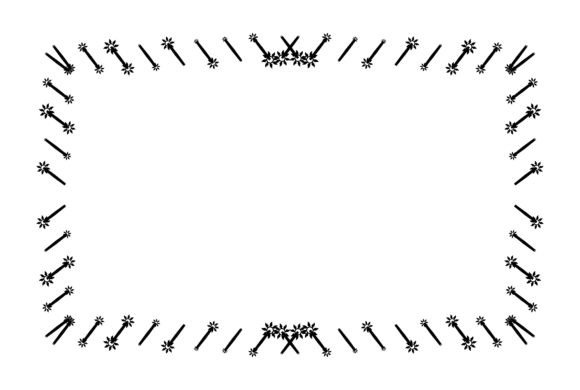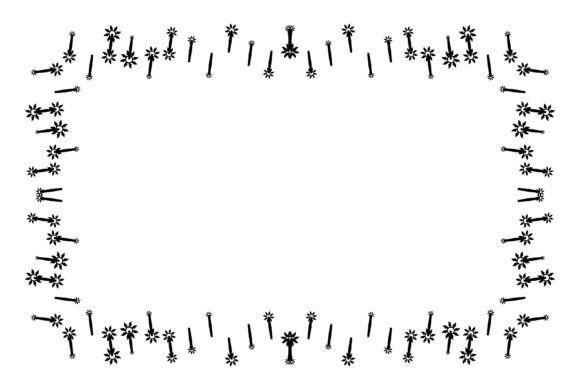
Eastern Star Ornament in Thin Line Style
You have likely stumbled upon a decorative background that feels just right for your next project, but something about it seems off. Perhaps the lines are too thick, the resolution is blurry when you zoom in, or the file format simply won't open in your preferred design software. This is where understanding the specific nuances of an Eastern star ornament in thin line style becomes critical. It is not merely about finding a pretty image; it is about securing a versatile asset that maintains its integrity across every medium you intend to use.
The allure of this particular aesthetic lies in its elegance and adaptability. By combining traditional Eastern motifs with a modern, minimalist thin-line approach, designers can create visuals that feel both timeless and contemporary. Whether you are a freelancer designing a wedding invitation, a marketer creating a social media campaign, or a small business owner refreshing your brand identity, this vector illustration offers a sophisticated touch. However, acquiring the wrong version of this asset can lead to significant headaches later on, affecting everything from print quality to digital load times.
The Hidden Pitfalls of Vector Formats
One of the most common mistakes creators make involves the file format itself. When searching for an Eastern Star Ornament in Thin Line Style, you will often see options labeled as JPG, PNG, or SVG. While these formats look identical at first glance, their underlying mechanics differ vastly. Many beginners assume that a high-resolution JPG is sufficient for all purposes, but this is a dangerous assumption when working with line art.
If you download a rasterized image (like a JPG) instead of a true vector file (EPS or SVG), you limit your ability to scale. A vector graphic uses mathematical paths to define lines, meaning you can enlarge an Eastern star ornament to billboard size without losing a single pixel of sharpness. In contrast, a raster image will become pixelated and jagged the moment you stretch it beyond its original dimensions. This mistake directly impacts the professionalism of your final output. A blurry star outline on a printed brochure or a stretched icon on a mobile app suggests a lack of attention to detail, which can undermine trust in your brand.
To avoid this, always prioritize EPS or SVG files for projects requiring scalability. If you only have access to a JPG, ensure it is purchased in the highest possible resolution before you begin editing. Never try to upscale a low-resolution image using automated tools; the results are rarely satisfactory and often introduce artifacts that ruin the clean, delicate nature of the thin-line style.
Understanding the "Thin Line" Nuance
The term "thin line" implies precision, but it also introduces a vulnerability regarding stroke weight. A frequent oversight occurs when designers fail to check the stroke width of the ornament. In some vector files, the lines are set to a fixed point size rather than being relative. This means that if you place the ornament into a document with a different default scaling setting, the lines might appear too faint to be seen or, conversely, too heavy and clumsy.
This issue is particularly problematic for print applications. If the line weight is too thin, standard printing presses may fail to capture the ink properly, resulting in broken or missing segments of the star pattern. On the other hand, if the lines are too thick, the intricate details of the Eastern motif get lost, turning a delicate design into a blocky shape. Before purchasing or downloading an asset, inspect the properties of the vector file. Ensure that the stroke weights are adjustable and that they remain crisp when converted to black and white, which is essential for monochrome branding.
Color Management and Versatility
Another area where users often stumble is in the color configuration of the downloaded asset. Some free or cheap resources come with the Eastern Star Ornament in Thin Line Style pre-filled with specific colors, such as gold or red, embedded directly into the vector paths. While this looks good in a preview, it restricts your creative freedom. You cannot easily change the color to match your brand palette without manually recoloring every single path, a tedious process that increases the risk of errors.
A better approach is to seek out assets where the lines are defined as strokes with no fill, or where the colors are organized in separate layers. This allows you to apply global swatches, making it simple to update the entire design with one click. For instance, if you are designing a series of marketing materials, you might need the star ornament in blue for a corporate report and green for an eco-friendly blog post. An uneditable color scheme forces you to recreate the design from scratch, wasting valuable time and money.
Furthermore, consider the context of the background. The beauty of a thin-line style is its transparency and lightness. Placing a dark, opaque version of the ornament on a white background works well, but placing it on a busy photographic background can cause visual clutter. Always test your chosen ornament against various background scenarios before finalizing the design. Does the star stand out? Does it blend too much? Adjusting the opacity or adding a subtle drop shadow can enhance visibility without compromising the minimalist aesthetic.
Evaluating Licensing and Usage Rights
Even with the perfect technical specifications, legal issues can derail a project. Many creators overlook the licensing terms associated with vector illustrations. Just because a file is available for download does not mean it is free for commercial use. Some licenses restrict the number of impressions, prohibit modification, or forbid resale as part of a template pack. Using an Eastern star ornament in a commercial product without the proper license can lead to cease-and-desist letters and financial penalties.
Always read the fine print. Look for clear distinctions between personal and commercial licenses. If you are a blogger or educator using the design for a non-profit presentation, a personal license might suffice. However, if you are a small business owner selling products featuring this design, you will almost certainly need a commercial extension. Verify that the license allows for the specific types of usage you plan, such as web display, print runs, or merchandise production.
Practical Steps for Selection
To ensure you select the best asset for your needs, follow a structured evaluation process. First, identify your primary use case: is this for a high-resolution print job, a responsive website, or a social media graphic? This decision dictates whether you need an EPS, SVG, or a high-DPI JPG. Second, inspect the file structure. Open the file in your vector editor and check if the paths are clean, closed, and free of unnecessary anchor points. Messy code within a vector file can slow down your software and cause rendering issues.
Third, test the scalability. Resize the ornament to 50% and then to 400% of its original size. Watch how the corners and intersections behave. Do they remain sharp? Finally, verify the licensing agreement matches your intended project scope. Taking these steps upfront prevents costly rework and ensures that your Eastern Star Ornament in Thin Line Style serves as a reliable foundation for your creative work.
By focusing on these technical and legal details, you move beyond simply finding a decoration to acquiring a professional tool. The difference between a mediocre design and a standout piece often comes down to the quality of the assets used. Choose wisely, respect the intricacies of vector graphics, and let the elegance of the thin-line style elevate your projects.