Flower Illustrations: Elevating Your Projects with Timeless Elegance
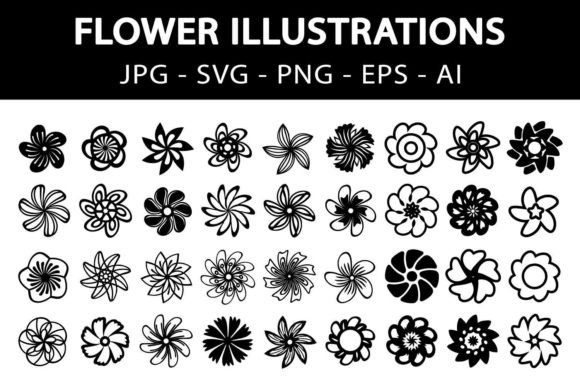
In a digital landscape saturated with stock photography and generic clipart, finding visual assets that feel both authentic and versatile can be a challenge. This is where Flower Illustrations step in as a powerful solution. Specifically, we are looking at a curated collection of black decorative flowers isolated on white backgrounds. These aren't just simple drawings; they are line art decorative design elements crafted to serve as sophisticated floral illustrations collections for a wide array of creative endeavors.
Whether you are a freelance graphic designer working on a high-stakes branding project, a small business owner creating packaging for artisanal soaps, or an educator designing engaging classroom materials, the right imagery makes all the difference. The specific set described here—featuring 36 distinct pieces available in multiple formats—offers more than just aesthetic appeal. It provides flexibility, clarity, and a professional finish that elevates the perceived value of any project it touches.
Why Line Art and Black-and-White Floral Designs?
You might wonder why anyone would choose stark black lines against a white background over colorful, photorealistic flowers. The answer lies in versatility and modern design trends. Minimalist line art has seen a massive resurgence because it pairs effortlessly with almost any color palette. It doesn’t compete with text or other design elements; instead, it complements them.
Black decorative flowers isolated on a white background offer a clean, editorial look. They work beautifully in monochromatic designs but also pop when placed against pastel backgrounds, bold primary colors, or textured surfaces like kraft paper or marble. For designers, this means one asset can fit into five different brand identities without needing to be recolored or heavily edited. It’s a time-saving feature that directly impacts productivity.
Real-World Applications Across Industries
The utility of these floral illustrations extends far beyond simple decoration. Let’s look at how different professionals actually use resources like this in their day-to-day work.
Branding and Identity Design
For logo designers and brand strategists, consistency is key. A boutique coffee shop, a luxury skincare line, or a wedding planning service often seeks an organic yet refined aesthetic. Using Flower Illustrations allows these brands to create custom logos, letterheads, and business cards that feel hand-crafted and exclusive. Because the files are provided in vector formats (SVG, AI, EPS), scaling a flower from the size of a business card to a billboard doesn’t result in pixelation or loss of quality. This ensures your brand looks sharp everywhere, from social media avatars to large-scale print ads.
Packaging and Product Labels
If you run a small business selling candles, tea blends, or botanical cosmetics, your packaging is your first point of contact with customers. Clean line art suggests purity, simplicity, and attention to detail. Imagine a jar of honey labeled with a delicate black outline of a wildflower. It feels artisanal and trustworthy. The inclusion of JPGs at 300 PPI density means these images are print-ready for local printers who need high-resolution raster files, while the vector files allow for seamless integration into Adobe Illustrator or InDesign for larger production runs.
Digital Content and Social Media
Bloggers, influencers, and marketers are constantly fighting for attention in crowded feeds. Standard stock photos can sometimes feel impersonal. Adding custom floral elements to Pinterest pins, Instagram stories, or blog headers adds a layer of personality. The transparent background option (PNG) is particularly useful here. You can drop these black floral motifs onto colored blocks, gradient backgrounds, or even photo overlays without worrying about messy white boxes around your edges. It allows for layered, complex compositions that stand out in a user’s feed.
Education and Printables
Educators and creators of educational resources find immense value in clear, uncluttered visuals. When teaching biology, botany, or even art history, detailed line drawings help students focus on structure and form without the distraction of color. Teachers creating worksheets, flashcards, or coloring pages can use these illustrations effectively. Hobbyists who sell digital downloads on platforms like Etsy also benefit greatly; a "Botanical Coloring Book" or a set of printable wall art featuring these elegant flowers is a low-cost, high-margin product that appeals to adults seeking mindfulness activities.
Understanding the Technical Advantage
One of the most significant benefits of this specific collection is its multi-format availability. Understanding what each file type offers can save you hours of frustration.
- Vector Files (SVG, AI, EPS): These are the gold standard for professional design. SVG is perfect for web use, ensuring crisp icons on any screen resolution. AI and EPS files are native to Adobe software, allowing you to edit individual paths, change stroke weights, or combine shapes. If you need to resize a flower to fit a specific layout constraint, vectors make this painless.
- Raster Files (JPG & PNG): Not everyone works in Adobe Creative Cloud. Sometimes you need a quick image for PowerPoint, Canva, or a basic photo editor. The JPG version offers a solid white background, which is great for quick mockups. The PNG version, with its transparent background, is the most versatile raster format, allowing for easy layering in non-vector software.
Having 36 included variations in each format means you have a comprehensive library. You aren’t limited to a single flower type; you can mix and match stems, leaves, and blooms to create unique arrangements. This variety prevents your designs from looking repetitive, which is crucial if you are producing content regularly.
What to Consider Before You Start
While these illustrations are highly adaptable, there are practical considerations to keep in mind to ensure you get the best results.
Licensing and Usage Rights: Always review the license agreement associated with the download. Are you allowed to use these in end-products that you sell? Can you modify them? Most commercial illustration packs allow for broad usage, but understanding the boundaries protects you legally. Typically, using these as part of a larger design (like a book cover or website) is permitted, but reselling the raw files as-is is usually prohibited.
Color Contrast: Since these are black line arts, contrast is your friend. Ensure that the background you place them on provides enough contrast for the lines to remain visible. On dark backgrounds, you may need to invert the colors to white, which is easily done in most editing software. Conversely, on very light gray or off-white backgrounds, the black lines will stand out sharply, which might be too harsh for some soft, romantic aesthetics. Test your combinations before finalizing.
Consistency in Style: With 36 different elements, there is a risk of mixing styles if the collection isn’t cohesive. However, since this is a unified set, the line weight and artistic style should be consistent. Just be mindful not to pair these minimalist black lines with overly busy, realistic photographs unless intentional juxtaposition is your goal. Simplicity tends to yield the most professional outcomes.
Maximizing Value Through Creativity
The true power of Flower Illustrations lies in how creatively you apply them. Don’t limit yourself to just placing them in corners of documents. Try using them as subtle watermarks behind text. Use them as dividers between sections in a newsletter. Or, consider printing them on vellum paper to create translucent overlays for greeting cards. The possibilities are limited only by your imagination and the tools at your disposal.
For entrepreneurs and freelancers, investing in high-quality, versatile assets like this is an investment in efficiency. Instead of spending hours drawing flowers from scratch or searching endlessly for the perfect match, you have a ready-made toolkit. This allows you to focus on strategy, messaging, and client relationships, leaving the heavy lifting of visual creation to well-designed resources.
Ultimately, whether you are enhancing a personal hobby project or building a commercial brand, the elegance of black decorative flowers isolated on white backgrounds offers a timeless appeal. They communicate sophistication and care, qualities that resonate with audiences across all demographics. By leveraging the technical flexibility of the included formats and applying these elements thoughtfully, you can create designs that not only look good but also perform well in their intended context.