Superfood. Vector Graphics Collection
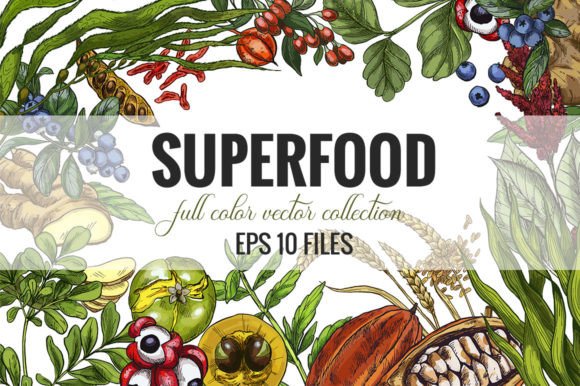
In the competitive landscape of health and wellness marketing, visual communication plays a pivotal role in capturing consumer attention. Designers, content creators, and marketers often face the challenge of sourcing high-quality, versatile imagery that accurately represents complex nutritional concepts without compromising on aesthetic appeal. The Superfood. Vector Graphics Collection addresses this need by providing a comprehensive library of hand-drawn, full-color realistic vector illustrations focused on nutrient-dense foods. This collection is designed to support projects ranging from packaging design and editorial layouts to digital advertising and educational materials.
Understanding the Product Scope
The core value of the Superfood. Vector Graphics Collection lies in its extensive scope and artistic style. Unlike generic stock photography, which can sometimes feel impersonal or overused, this collection utilizes hand-drawn elements rendered as realistic vectors. This approach offers a unique blend of organic warmth and technical precision, allowing for scalability without loss of quality—a critical requirement for modern responsive web design and large-format printing.
The collection is not merely a random assortment of images; it is a curated set of 20 distinct superfood items, each depicted with high fidelity. The inclusion of both raw ingredients and prepared forms provides designers with flexibility in storytelling. For instance, while some items are shown in their natural state, others are presented in consumable formats, such as chia seeds served in a bowl of chia pudding accompanied by berries and banana slices. This variety allows for nuanced narrative construction, whether the goal is to highlight the source of nutrition or the final healthy meal.
Comprehensive Ingredient Library
A significant factor in evaluating any graphic resource is the relevance and breadth of its subject matter. The Superfood. Vector Graphics Collection covers a wide spectrum of popular and emerging superfoods, ensuring compatibility with diverse dietary trends and nutritional interests. The list includes:
- Moringa: Often referred to as the "drumstick tree," known for its dense nutrient profile.
- Wheat Germ: A staple ingredient in whole-grain nutrition.
- Soy beans and glass of milk: Representing plant-based protein alternatives.
- Goji berries: Popular in antioxidant-focused diets.
- Stevia: A key visual for sugar-free and natural sweetener campaigns.
- Quinoa: A fundamental grain in gluten-free cooking.
- Guarana: Highlighted for its energy-boosting properties.
- Baobab fruit: An African superfruit gaining global recognition.
- Blueberry: A universally recognized berry for heart and brain health.
- Spirulina: Essential for vegan and algae-based nutrition visuals.
- Chia seeds: Depicted individually and as part of a finished dish (chia pudding with berries and banana slices).
- Cacao: Central to dark chocolate and mood-enhancing food narratives.
- Carob: A caffeine-free alternative to cocoa.
- Bee Pollen: Used in allergy relief and energy supplement contexts.
- Manuka Honey: Associated with premium medicinal honey products.
- Lucuma: Known as the "gold of the Incas" for its unique flavor profile.
- Coconut and coconut oil: Vital for keto and paleo diet representations.
- Maca roots: Frequently used in hormonal balance supplements.
- Kelp: Representing seaweed and iodine-rich nutrition.
- Acai Berries: Iconic in smoothie bowls and detox trends.
- Ginger roots and slices: Commonly associated with digestion and immunity.
This diversity ensures that the collection remains relevant across various sub-niches within the broader health sector, from anti-inflammatory diets to plant-based living.
Technical Deliverables and Usability
For professional designers, the technical specifications of a vector pack are as important as the artistic quality. The Superfood. Vector Graphics Collection is delivered in EPS10 and JPG formats. EPS10 files are particularly valuable because they ensure compatibility with a wide range of Adobe Creative Cloud applications and other vector editing software, allowing users to edit paths, colors, and shapes with ease. The inclusion of both colored and outlined versions of each element adds another layer of utility. Outlined versions are ideal for monochrome branding, stamp-style designs, or situations where color consistency is difficult to maintain across different media.
Beyond individual objects, the collection provides structural design assets that streamline the layout process. These include:
- 5 Banners: Available in square, round, hexagon, rhombus, and vertical stripe shapes. These pre-composed backgrounds feature superfood objects, saving time on composition.
- 3 Decorative Frames: Offered in landscape, square, and portrait orientations, these frames utilize superfood objects along the edges, perfect for recipe cards, blog headers, or social media posts.
- 10 Seamless Patterns: These repeating textures allow for background creation that integrates superfood themes without overwhelming the primary text content.
Evaluation of Benefits and Tradeoffs
When considering the Superfood. Vector Graphics Collection, it is essential to weigh its advantages against potential limitations. The primary benefit is efficiency. By providing ready-made banners, frames, and patterns alongside individual assets, designers can reduce production time significantly. The hand-drawn aesthetic also helps brands stand out in a market saturated with sterile, photorealistic vector art. This organic touch can convey authenticity, a trait highly valued in the natural foods industry.
However, there are tradeoffs to consider. The "realistic" style, while appealing, may not suit every brand identity. Companies aiming for a minimalist, abstract, or flat-design aesthetic might find the detailed, full-color illustrations too busy or traditional. Additionally, because the illustrations are hand-drawn, they carry a specific artistic signature that may not align with all corporate guidelines. Users should review sample files carefully to ensure the style matches their project's tone.
Another consideration is the file size and complexity. High-detail vector files can be larger and more resource-intensive to render than simple geometric icons. Designers working on low-bandwidth web environments or mobile-first applications should test the performance impact of using these detailed vectors, particularly the seamless patterns and complex banner compositions.
Target Use Cases and Alternatives
The Superfood. Vector Graphics Collection is a strong fit for several specific scenarios. It is particularly well-suited for:
- Packaging Design: The detailed illustrations work well on product labels for supplements, teas, and health foods where visual appeal drives shelf impact.
- Editorial Content: Blogs, magazines, and newsletters discussing nutrition can use the individual fruits and vegetables to break up text and enhance readability.
- Social Media Campaigns: The pre-made banners and frames are optimized for quick deployment on platforms like Instagram and Pinterest.
- Educational Materials: The clear depiction of ingredients makes this collection useful for infographics explaining nutritional benefits.
Conversely, alternatives may be worth considering if the user requires a more abstract representation of health, such as molecular structures or symbolic icons. If the project demands a strictly monochromatic palette from the outset, purchasing a dedicated icon set might be more cost-effective. Furthermore, if the need is for photographic realism rather than illustrated realism, high-resolution stock photography libraries would be a more appropriate choice.
Conclusion
The Superfood. Vector Graphics Collection offers a robust solution for professionals seeking high-quality, versatile, and aesthetically pleasing visual assets related to healthy eating. Its combination of diverse subject matter, technical flexibility (EPS/JPG, colored/outline), and pre-designed layout components makes it a practical investment for recurring design needs. While it may not suit every stylistic preference, its strengths in conveying organic, authentic health narratives make it a compelling option for those in the wellness, food, and lifestyle sectors. By carefully assessing the alignment between the collection’s artistic style and your brand’s identity, you can determine if this resource will effectively support your communication goals.