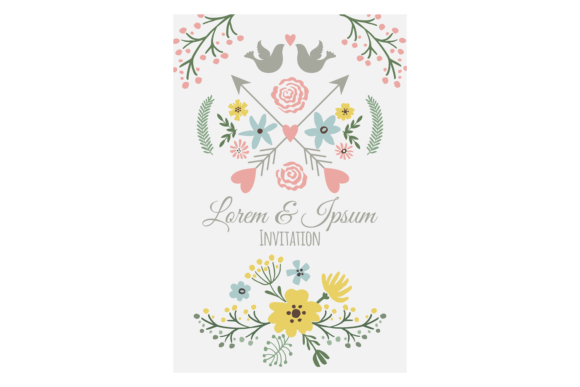
The Art of the Floral Invitation: Elevating Your Event with Vector Precision
When you are planning a significant life event—be it a wedding, a milestone birthday, or an elegant corporate gala—the first impression is often set before your guests even arrive. That impression is carried by the invitation. In an era where digital communication dominates, the tactile experience of a physical card, or the crisp clarity of a beautifully designed digital asset, holds immense power. This is where the Invitation Card Template featuring Floral Decorat comes into play. It is not merely about sending a date and time; it is about setting a tone, evoking an emotion, and providing a visual promise of the experience to come.
Choosing the right design foundation can be the difference between a forgettable note and a keepsake that guests hold onto long after the event has passed. By leveraging high-quality vector illustrations in formats like EPS, JPG, and SVG, designers and hosts alike can create bespoke invitations that look professional, feel luxurious, and adapt seamlessly to various printing and digital needs.
Why Vector Formats Matter for Floral Designs
At the heart of any stunning floral invitation lies the integrity of its graphics. You might wonder why file format matters so much when creating these designs. The answer lies in scalability and precision. A Vector illustration EPS, JPG, SVG workflow offers distinct advantages over standard raster images, particularly when dealing with intricate details like flower petals, leaves, and delicate stems.
EPS (Encapsulated PostScript) files are the industry standard for print production. They allow graphic designers to scale the floral elements up or down without any loss of quality. Whether you are printing a small business card-sized invite or a large-format poster, the edges remain sharp, and the colors stay vibrant. For professional printers, EPS files ensure that the Floral Decorat patterns are rendered exactly as intended, avoiding the pixelation that can ruin a high-end look.
SVG (Scalable Vector Graphics), on the other hand, is king in the digital realm. If you are sending electronic invitations via email or displaying them on a wedding website, SVG ensures that your floral borders look crisp on everything from a smartphone screen to a 4K desktop monitor. These files are lightweight, load quickly, and can even be animated subtly to add a touch of modern flair without compromising elegance.
While JPG is ubiquitous, it is worth noting that for complex floral designs, JPGs can sometimes introduce compression artifacts. However, they remain useful for quick previews or social media teasers where file size is a primary concern. The ideal workflow often involves using the vector source (EPS/SVG) for creation and final output, while utilizing JPGs for intermediate sharing.
The Psychological Impact of Floral Elements
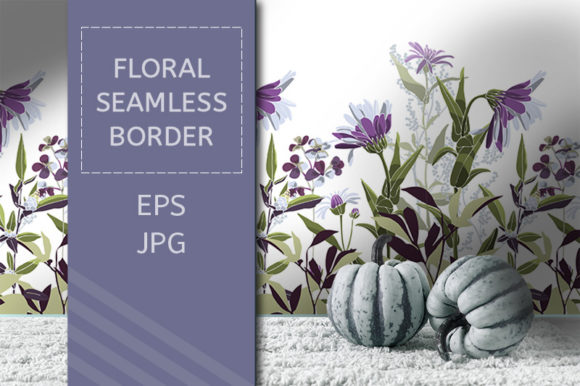
Flowers have always been symbols of growth, beauty, and celebration. Incorporating Floral Decorat into your Invitation Card Template taps into deep-seated cultural associations. Different flowers convey different messages, allowing you to tailor the visual language of your invitation to match the specific nature of your event.
- Roses: Often associated with love and romance, red roses are a classic choice for weddings. White roses suggest purity and new beginnings, making them versatile for both religious ceremonies and secular celebrations.
- Lavender and Eucalyptus: These elements evoke a sense of calm, sophistication, and rustic charm. They are perfect for bohemian-style weddings or intimate garden parties where a relaxed yet chic atmosphere is desired.
- Tulips and Daisies: Brighter and more playful, these flowers work well for spring birthdays, baby showers, or casual brunches. They bring energy and joy to the design.
- Peach Blossoms and Cherry Blooms: With their soft pinks and whites, these floral motifs add a touch of delicacy and grace, suitable for elegant afternoon teas or sophisticated cocktail receptions.
By selecting the right floral combination, you guide your guests’ expectations. A dense, dark floral border might suggest a formal evening affair, while sparse, watercolor-style blooms could indicate a light, daytime gathering. The Invitation Card Template serves as the canvas for this storytelling, ensuring that every element contributes to the narrative.
Customization and Flexibility in Modern Design Workflows
One of the greatest strengths of using template-based designs with vector assets is the balance between efficiency and personalization. You do not need to start from scratch to create something unique. A well-designed Floral decorative page design provides a robust framework that can be easily adapted.
Consider the scenario of a couple planning a destination wedding. They might choose a base template with tropical floral elements. Using vector software, they can adjust the color palette to match their beach theme—swapping traditional greens for teal and coral accents. Because the underlying graphics are vectors, these color changes are non-destructive and easy to implement. They can also resize individual floral clusters to frame specific text fields, such as the names of the couple or the venue address, ensuring that the typography remains legible and prominent.
This flexibility extends to branding as well. Corporate events often require a cohesive look across all materials. A company might use a Invitation Card Template with subtle floral accents that mirror their brand’s logo colors. This creates a unified visual identity that feels intentional and polished. The ability to tweak hues, spacing, and composition means that the same core design can serve multiple purposes, from save-the-dates to RSVP cards and thank-you notes.
Practical Considerations for Printing and Distribution
Before finalizing your Floral Decorat design, there are practical steps to consider to ensure the final product meets your expectations. First, think about the paper stock. Floral designs often benefit from textured papers, such as cotton or linen, which add depth and luxury. The matte finish of high-quality paper complements the organic feel of floral illustrations better than glossy finishes, which can sometimes make the design look flat or artificial.
Color management is another critical factor. Screens display colors in RGB (Red, Green, Blue), while printers use CMYK (Cyan, Magenta, Yellow, Key/Black). A vibrant pink flower on your monitor might appear slightly duller in print if the colors are not properly converted. Always request a proof print from your printer before committing to a full run. This allows you to see how the Vector illustration translates to physical media and make necessary adjustments.
For digital invitations, accessibility should be a priority. Ensure that the contrast between the text and the floral background is sufficient for readability. Light-colored flowers on a white background might look beautiful but can make black text hard to read on certain devices. Testing your design on multiple devices helps identify these issues early. Additionally, keeping file sizes optimized for web delivery ensures that your guests receive the invitation quickly, without buffering delays.
Building Anticipation Through Design Details
The best invitations do more than inform; they excite. Small details in your Invitation Card Template can build anticipation. Perhaps the floral border is actually a wreath that encircles the central information, symbolizing unity and celebration. Maybe the corners feature subtle gold foil stamping effects (simulated in digital versions) that catch the light, adding a hint of glamour.
Layering is a powerful technique in floral design. By placing background foliage behind foreground flowers, you create depth and dimension. This is particularly effective in vector formats, where layers can be manipulated independently. You might experiment with transparency levels to create a soft, dreamy effect, or keep lines bold and graphic for a modern, minimalist look. The key is to maintain a hierarchy of information. While the floral decoration enhances the aesthetic, it should never overshadow the essential details: who, what, when, where, and how.
Conclusion: Investing in Visual Excellence
Ultimately, the effort put into designing your invitation reflects the care you have invested in your event. A generic template might save time, but a customized Invitation Card Template with Floral Decorat shows thoughtfulness. It tells your guests that you value their presence and have curated an experience worthy of their attendance.
Whether you are a professional designer working with clients or a host managing the details yourself, understanding the benefits of vector formats and the emotional impact of floral imagery empowers you to make better decisions. By focusing on quality, customization, and practical execution, you can create invitations that are not just pieces of paper or pixels, but lasting memories. In a world of fleeting digital noise, a beautifully crafted floral invitation stands out as a tangible token of celebration, inviting your guests to step into a world of elegance and joy.