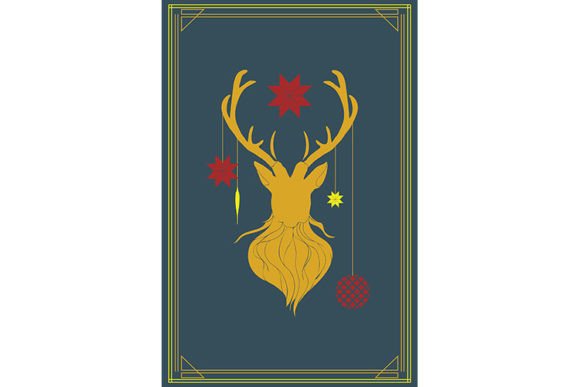
Timeless Elegance: The Enduring Appeal of the Vintage Card with Yellow Deer Design
In an era dominated by digital saturation and fleeting visual trends, there remains a profound appreciation for design elements that evoke nostalgia, warmth, and artisanal quality. Among the myriad aesthetic choices available to designers, brand managers, and creative hobbyists, the vintage card with yellow deer motif stands out as a particularly compelling example of retro charm meeting modern versatility. This specific design archetype—characterized by its warm color palette, silhouette-based imagery, and decorative flourishes—bridges the gap between historical illustration techniques and contemporary vector scalability. Whether you are a graphic designer seeking premium assets or a business owner looking to infuse your brand with a sense of heritage, understanding the nuances of this style is essential.
The allure of the yellow deer silhouette lies not just in its visual appeal but in the emotional resonance it triggers. Deer have long been symbols of grace, nature, and tranquility, while the vintage aesthetic suggests craftsmanship and timelessness. When combined with a vibrant yet earthy yellow hue, these elements create a visual language that is both inviting and sophisticated. This article explores the multifaceted applications, technical advantages, and cultural significance of using high-resolution JPGs and editable EPS vectors featuring this distinctive retro card design.
The Aesthetic Power of Retro Silhouettes
To understand why the vintage card with yellow deer design has maintained its popularity, one must first look at the mechanics of silhouette art. Silhouette designs strip away the complexity of shading, texture, and intricate detail, focusing instead on form and outline. This reductionist approach allows the viewer’s eye to immediately grasp the subject matter without distraction. In the context of a card or poster, this clarity is invaluable. It ensures that the message—or the decorative element—remains legible even from a distance or when scaled down to smaller formats like social media avatars or favicon icons.
The choice of yellow as the primary color adds a layer of psychological depth. Yellow is often associated with optimism, energy, and creativity. However, in a "vintage" context, this yellow is rarely neon or electric. Instead, it leans toward mustard, ochre, or goldenrod tones. These muted, saturated shades evoke the feeling of aged paper, old photographs, or sepia-toned memories, yet they retain enough brightness to feel fresh and modern. This balance is crucial for brands that want to appear established and trustworthy (via the vintage aspect) while remaining relevant and energetic (via the color).
Decorative Flourishes and Historical Context
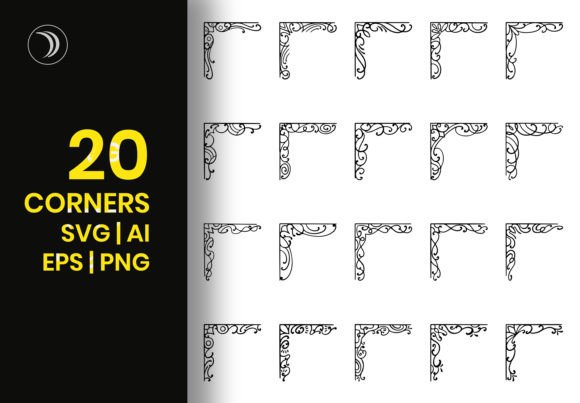
A defining characteristic of the vintage card with yellow deer aesthetic is the inclusion of decorative borders and ornamental details. These elements are not merely filler; they serve to frame the central image and provide a sense of structure. Historically, such designs were influenced by Art Nouveau and Arts and Crafts movements, which emphasized natural forms and handcrafted aesthetics. Modern interpretations of this style often incorporate geometric patterns, floral vines, or subtle grain textures to mimic the imperfections of traditional printing processes.
For educators and researchers studying design history, these cards serve as excellent case studies in how past artistic movements are repurposed for current commercial needs. For creators, understanding these historical roots allows them to manipulate the design elements more effectively, ensuring that their projects respect the integrity of the style while adapting it for new contexts.
Technical Advantages: JPG vs. EPS Formats
When sourcing or creating designs like the vintage card with yellow deer, the file format plays a critical role in the final output. The availability of both high-resolution JPG images and editable EPS vector files offers distinct advantages depending on the end use. Understanding these differences is key to maximizing the utility of these assets.
The Role of High-Resolution JPGs
High-resolution JPGs are ideal for quick deployment in digital environments where file size matters. With three high-resolution JPG images typically included in such design packages, users gain immediate access to ready-to-use visuals for websites, email newsletters, and social media posts. The JPEG format supports millions of colors, which is beneficial for capturing the subtle gradients and textures often found in vintage-style illustrations. Furthermore, JPGs are universally compatible across all devices and platforms, making them a safe default for general consumers and small business owners who may not have advanced design software.
However, JPGs are raster-based, meaning they consist of pixels. If a user attempts to scale a JPG beyond its original dimensions, the image will become pixelated and lose sharpness. Therefore, while JPGs are convenient, they are best used for fixed-size applications.
The Versatility of Editable EPS Vectors
For professionals, designers, and large-scale print projects, the three editable EPS (Encapsulated PostScript) vector files provided in such collections are indispensable. Unlike raster images, vectors are mathematically defined, allowing them to be scaled to any size—from a business card to a billboard—without any loss of quality. This scalability is perhaps the most significant advantage of vector graphics.
Moreover, the "editable" nature of EPS files means that designers can modify the components of the vintage card with yellow deer design. They can change the shade of yellow, adjust the thickness of the silhouette lines, or rearrange the decorative elements to better suit a specific brand identity. This level of customization is impossible with standard JPGs. For businesses looking to maintain consistency across various marketing materials, having access to the source vector files ensures that the design can be adapted seamlessly across different mediums.
Practical Applications Across Industries
The versatility of the vintage card with yellow deer design allows it to be applied across a wide range of industries and use cases. Its broad appeal makes it a valuable asset for anyone looking to add a touch of elegance and nature-inspired charm to their projects.
- Wedding and Event Stationery: One of the most popular uses for vintage deer motifs is in wedding invitations, save-the-dates, and reception signage. The romantic and rustic vibe of the yellow deer silhouette pairs beautifully with other natural elements like eucalyptus, wildflowers, and burlap textures. Couples can use the high-resolution JPGs for digital invitations and the EPS files for customizing physical prints.
- Retail and Branding: Small businesses, particularly those in the organic food, craft beer, or boutique clothing sectors, often leverage vintage aesthetics to convey authenticity. A logo or packaging design featuring the vintage card with yellow deer can help a brand stand out on crowded shelves by evoking a sense of artisanal care and tradition.
- Educational Materials: Teachers and curriculum developers can use these designs to create engaging worksheets, classroom decorations, and educational posters. The gentle and non-threatening imagery of the deer can make learning spaces feel more welcoming, especially for younger students. The ability to edit the vectors allows educators to tailor the content to specific lessons, such as biology units on wildlife or art history classes on printmaking.
- Digital Content Creation: Bloggers, YouTubers, and podcasters often use these designs as thumbnail backgrounds, banner images, or promotional graphics. The strong contrast of the yellow against darker backgrounds ensures visibility in crowded digital feeds, while the vintage style helps establish a unique brand voice.
Considerations for Implementation
While the benefits of using the vintage card with yellow deer design are clear, there are important considerations to keep in mind to ensure successful implementation. First, context is king. While the design is versatile, it may not be appropriate for every situation. For instance, a high-tech startup or a corporate law firm might find the rustic, whimsical nature of the deer silhouette too informal for their branding needs. It is crucial to align the aesthetic with the overall tone and values of the project.
Secondly, color harmony is essential. The yellow in the design should be chosen carefully to complement other colors in the palette. Clashing colors can detract from the elegance of the vintage style. Designers should experiment with complementary hues, such as deep greens, navy blues, or warm browns, to create a balanced and visually pleasing composition.
Finally, resolution and quality control are paramount, especially for print projects. Even with high-quality JPGs, it is important to ensure that the DPI (dots per inch) meets the standards for professional printing, typically 300 DPI. For vector files, always preview the design at the intended print size to check for any unexpected artifacts or scaling issues.
Conclusion
The vintage card with yellow deer design represents a harmonious blend of historical charm and modern utility. By offering both high-resolution JPGs and editable EPS vectors, this design asset caters to a diverse audience, from casual hobbyists to professional designers. Its ability to evoke emotion, convey elegance, and adapt to various mediums makes it a powerful tool in the creative arsenal. As we continue to seek ways to connect with audiences on a deeper, more meaningful level, designs that honor the past while embracing the possibilities of the present will remain increasingly relevant. Whether used for personal projects, commercial branding, or educational purposes, the timeless appeal of the yellow deer silhouette ensures that your work will stand out with grace and distinction.