Vintage Floral Filigree Border: Decorati and Design Integration Strategies
In the realm of graphic design, typography, and digital artistry, the choice of framing elements can significantly alter the perceived value and emotional resonance of a composition. Among the myriad options available to designers, the Vintage Floral Filigree Border. Decorati stands out as a sophisticated choice for projects requiring an air of antiquity, elegance, and intricate detail. This specific aesthetic combines the organic softness of botanical motifs with the structural precision of filigree work, creating a visual boundary that is both decorative and functional.
Understanding how to effectively utilize these assets requires more than just knowing where to download them; it involves grasping their historical context, technical specifications, and practical applications. Whether you are designing a wedding invitation, a luxury product label, or a historical blog layout, evaluating the right tools and formats is essential for achieving professional results.
Defining the Aesthetic: What Makes It Distinct?
The term "filigree" originates from the Latin words fillum (thread) and area (work), referring to delicate jewelry made of twisted threads of gold or silver. When applied to two-dimensional design, particularly in borders and frames, it translates to thin, ornate lines that create complex, lace-like patterns. The addition of "floral" elements introduces natural forms—roses, vines, leaves, and ferns—that soften the geometric rigidity often associated with classical borders.
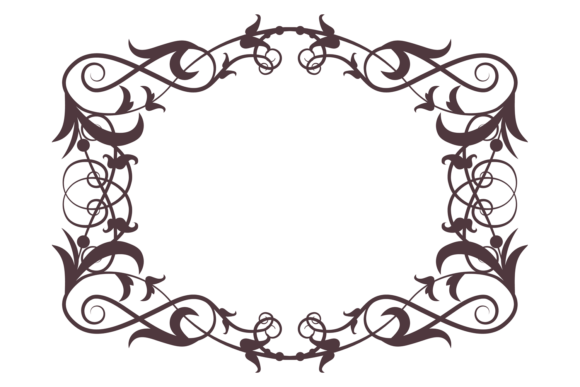
Vintage Floral Filigree Border. Decorati specifically refers to a collection or style of these elements that mimic the wear and texture of aged paper or metalwork. Unlike modern minimalist borders that rely on negative space and clean lines, this style embraces density and ornamentation. The distinctiveness lies in its ability to evoke nostalgia without appearing cluttered, provided it is used correctly. It serves not merely as a container for content but as a narrative device that suggests history, craftsmanship, and attention to detail.
For designers, the appeal is twofold: it adds immediate visual interest and establishes a tonal baseline. A project featuring these borders automatically signals to the viewer that the content within is curated, refined, or traditional. However, this strength also presents the primary challenge: balancing the ornate border with the central content so that the frame does not overwhelm the message.
Technical Formats and Workflow Integration
One of the most critical factors in selecting decorative assets is file format compatibility. The availability of Vintage Floral Filigree Border. Decorati in multiple formats such as EPS, JPG, SVG, and transparent PNG allows for flexibility across different stages of the design process. Each format offers distinct advantages and tradeoffs depending on the final output medium.
- Vector Formats (EPS, SVG): These are indispensable for print production and scalable web graphics. Because they are resolution-independent, designers can enlarge a filigree corner element from a small icon to a full-page border without any loss of clarity or pixelation. This is crucial for high-resolution printing where fine details must remain sharp. Furthermore, vector files allow for easy color manipulation, enabling designers to match the border exactly to a brand’s palette or adjust opacity for subtle watermarking effects.
- Raster Formats (JPG, Transparent PNG): While less flexible regarding scaling, raster images are often easier to integrate into quick drafts or when working with software that has limited vector support. The transparent PNG is particularly useful for overlaying the border onto existing designs without needing to mask out a white background. However, designers must be cautious about resolution; using a low-res JPG for a large print job will result in blurry, jagged edges that destroy the illusion of quality.
When evaluating resources, professionals often prioritize vector sources for long-term projects because they offer greater editability. If a client requests a change in color scheme or size later in the workflow, having the original EPS or SVG file saves significant time compared to recreating the asset from scratch.
Comparative Analysis: Alternatives and Contextual Fit
No single design element fits every scenario. To make an informed decision, it is helpful to compare Vintage Floral Filigree Border. Decorati against other common framing styles and decorative approaches.
Minimalist Geometric Borders
Geometric borders use straight lines, circles, and squares to create structure. They are ideal for corporate reports, tech startups, and modern branding where clarity and efficiency are paramount. In contrast, floral filigree is expressive and emotive. If the goal is to convey innovation, speed, or neutrality, a geometric frame is superior. However, if the goal is to convey heritage, romance, or luxury, the organic curves of filigree are unmatched. The tradeoff here is legibility versus atmosphere; geometric borders recede into the background, while filigree borders demand attention.
Hand-Drawn Sketchy Frames
Sketchy borders offer a casual, approachable, and human touch. They are popular in lifestyle blogging, artisanal food packaging, and educational materials. Compared to the precise, machine-perfect lines of vintage filigree, sketchy borders feel more authentic and less formal. The choice depends on the desired level of formality. Vintage filigree implies a certain level of polish and permanence, whereas sketchy borders imply spontaneity and warmth. For a high-end wedding invitation, filigree is typically the preferred choice; for a casual brunch menu, a sketchy line might be more appropriate.
Ornate Baroque and Rococo Styles
While similar in complexity, Baroque frames are often heavier, darker, and more dramatic. They feature thick scrolls, cherubs, and heavy foliage. Vintage floral filigree tends to be lighter, airier, and more linear. This makes filigree more versatile for text-heavy documents, as it does not compete as aggressively with typography. Heavy Baroque frames can crush text if not spaced carefully, whereas filigree borders often act as a gentle embrace around the content.
Best-Fit Situations and Decision Factors
Determining whether Vintage Floral Filigree Border. Decorati is the right tool for a specific project requires assessing several variables. The following scenarios highlight where this style excels:
- Event Stationery: Weddings, galas, and formal dinners benefit greatly from the romantic and timeless associations of floral filigree. The intricate details mirror the effort and care put into the event itself.
- Packaging for Artisanal Goods: Products such as luxury soaps, organic teas, or handcrafted candles use these borders to signal natural ingredients and traditional manufacturing processes. The visual language communicates "handmade" and "premium."
- Educational and Historical Content: Websites or publications covering history, literature, or classic arts can use these borders to visually reinforce the subject matter. It creates a cohesive thematic environment.
- Certificates and Awards: The formal nature of filigree lends authority and prestige to certificates of achievement, diplomas, or official awards.
Conversely, there are situations where this style may be ill-advised. In mobile-first designs where screen real estate is limited, the fine details of filigree may become indistinguishable or clutter the interface. Additionally, in industries focused on disruption, technology, or rapid consumption (such as fast fashion or gaming), the vintage aesthetic may feel outdated or disconnected from the brand identity.
Practical Tips for Implementation
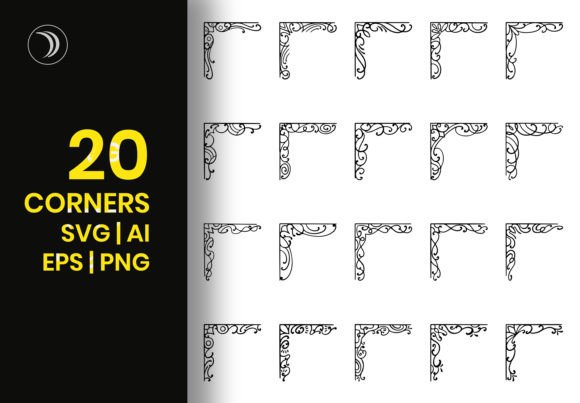
To maximize the effectiveness of these decorative elements, designers should adhere to a few practical guidelines. First, ensure sufficient padding between the border and the text. The eye needs room to breathe; placing text too close to intricate filigree reduces readability. Second, consider color harmony. Black filigree on white is classic, but sepia, gold, or deep navy tones can add depth and sophistication. Third, maintain consistency. If using corner ornaments, ensure they are aligned symmetrically unless an asymmetrical artistic effect is intentionally sought.
Ultimately, the value of Vintage Floral Filigree Border. Decorati lies in its ability to elevate simple layouts into polished compositions. By understanding its technical requirements, comparing it against alternative styles, and applying it to contexts where its historical and emotional cues align with the project goals, designers can leverage these assets to create work that is not only visually appealing but also strategically sound.