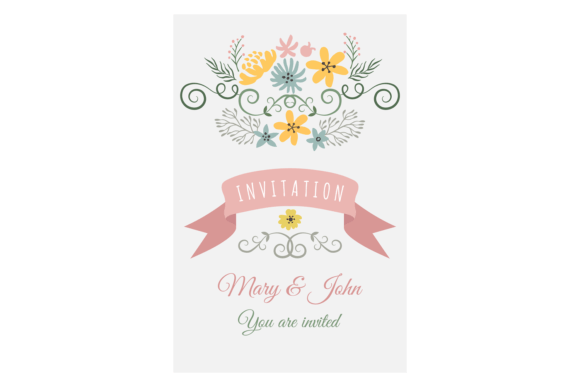
Designing Elegant Wedding Invitation Templates with Floral Motifs
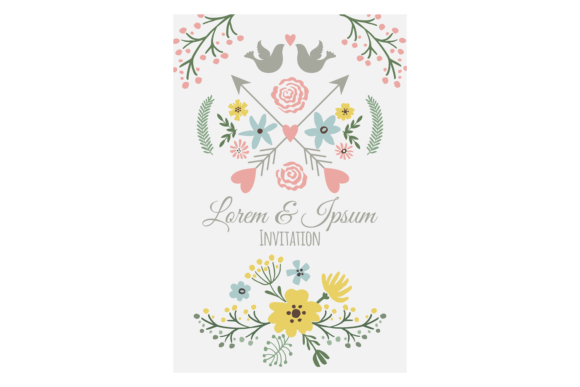
The journey of planning a wedding is as much about the aesthetic vision as it is about logistics. At the heart of this visual narrative lies the invitation, a tangible piece of art that sets the tone for the entire celebration. In recent years, the demand for sophisticated, customizable design assets has surged, particularly among those seeking to blend traditional romance with modern digital workflows. A wedding invitation template with floral decorative bouquet elements stands out as a quintessential choice for couples and designers alike, offering a perfect harmony of organic beauty and structural versatility.
These templates are not merely static images; they are comprehensive design frameworks that allow for deep personalization while maintaining professional quality. Whether you are a graphic designer looking to streamline client projects or a couple DIY-ing your stationery suite, understanding the nuances of vector-based floral invitations is crucial. This exploration delves into the technical advantages, creative applications, and practical considerations of using these specific design assets, ensuring your wedding stationery is both memorable and technically sound.
The Technical Superiority of Vector Formats
When discussing high-quality design assets, the file format is just as important as the visual content. The mention of Vector illustration EPS, JPG, SVG in product descriptions is not arbitrary; it represents a hierarchy of utility that directly impacts the final output of your invitations. Understanding these formats is key to maximizing the value of a wedding invitation template with floral elements.
- EPS (Encapsulated PostScript): Historically the gold standard for print production, EPS files contain vector data that ensures lines and curves remain crisp regardless of scale. For large-format prints, such as wide table numbers or oversized wall signage accompanying the invites, EPS is indispensable. It allows designers to manipulate complex floral bouquets without pixelation.
- SVG (Scalable Vector Graphics): As the web becomes increasingly visual, SVG has emerged as a vital format. These files are lightweight, code-based, and infinitely scalable. They are perfect for digital invitations sent via email or displayed on websites. An SVG-based floral bouquet can be animated or color-swapped dynamically using CSS, adding an interactive layer to the invitation experience.
- JPG (Joint Photographic Experts Group): While raster-based, high-resolution JPGs are often included in these bundles for quick previewing or for use in simpler editing software like Canva or basic photo editors. However, for true scalability and editing flexibility, relying solely on JPGs limits the potential of the floral design elements.
By prioritizing vector sources, creators ensure that every petal in a decorative bouquet remains sharp, whether printed on a business card-sized card or projected onto a screen. This technical foundation supports the artistic integrity of the wedding invitation template with floral decorative bouquet elements, preventing the blurriness that often plagues low-quality digital downloads.
Creative Versatility and Design Applications
The beauty of a floral-themed invitation lies in its adaptability. Unlike rigid geometric designs, organic floral motifs breathe life into typography and layout. A wedding invitation template with floral arrangement serves as a frame, a background texture, or a focal point, depending on the desired mood. Here is how different user groups leverage these assets:
For Professional Graphic Designers
Professionals utilize these templates as a starting point for custom client work. Instead of drawing every leaf and stem from scratch, designers can import the vector bouquet layers into Adobe Illustrator or Affinity Designer. They can then adjust the color palette to match the couple’s wedding theme—perhaps shifting from classic blush pinks to bold jewel tones like emerald and navy. The ability to ungroup vector elements allows for complete reconstruction of the layout, ensuring the final product is unique to the client while saving significant hours of labor.
For Educators and Students
In academic settings, these templates serve as excellent case studies for teaching design principles. Educators can use a well-structured floral template to demonstrate concepts such as negative space, balance, and typographic hierarchy. By analyzing how the weight of a dense floral bouquet is balanced by ample white space, students learn how to guide the viewer’s eye through essential information like date, time, and venue.
For Hobbyists and Couples
For those creating their own invitations, the accessibility of these templates democratizes design. Many platforms allow users to upload the provided SVG or EPS files into intuitive drag-and-drop interfaces. A couple might choose a minimalist approach, placing a small, delicate floral cluster in the corner of a cream-colored card, allowing elegant serif fonts to take center stage. Alternatively, they might opt for a maximalist look, wrapping the text in a lush, full-circle wreath of roses and eucalyptus.
Aesthetic Considerations and Trend Analysis
Floral designs are timeless, yet they evolve with cultural trends. Current preferences in wedding stationery often lean towards botanical accuracy mixed with artistic abstraction. A wedding invitation template with floral decorative bouquet elements reflects this shift by moving away from overly realistic, photographic flowers towards stylized line art, watercolor textures, or vintage engraving styles.
One significant trend is the integration of seasonal flora. Spring weddings might feature cherry blossoms or peonies, while autumn celebrations could incorporate dahlias, wheat stalks, and muted oranges. When selecting a template, it is vital to consider the seasonality of the depicted flowers. Using a winter-themed floral element, such as holly or pine, for a summer wedding can create a subtle dissonance, whereas aligning the botanical choices with the season enhances the thematic cohesion of the event.
Another consideration is the color psychology associated with the floral palette. Soft pastels evoke romance and gentleness, making them popular for daytime garden parties. In contrast, dark, moody florals with black backgrounds suggest sophistication and evening elegance. The flexibility of vector files means that these color schemes can be altered effortlessly, allowing a single template to serve multiple aesthetic directions.
Practical Implementation and Workflow
Implementing a wedding invitation template with floral design requires a structured workflow to ensure consistency across the entire stationery suite. The invitation is rarely sold alone; it is part of a larger ecosystem that includes RSVP cards, menu cards, place cards, and thank-you notes. A cohesive design system relies on shared vector assets.
- Asset Organization: Upon downloading the template, organize the vector files into clear folders. Separate the background elements, the main bouquet clusters, and the individual flower components. This organization speeds up the design process and prevents file clutter.
- Typography Pairing: Select fonts that complement the style of the floral artwork. Delicate, thin-line florals pair well with modern sans-serifs or light scripts. Heavier, textured bouquets require sturdy, classic serifs to maintain legibility and balance. Testing different font weights against the density of the floral elements is crucial for readability.
- Print Preparation: If printing physically, ensure that all vector elements are outlined and converted to CMYK color mode. This step is critical for accurate color reproduction, especially if using specialty inks or metallic foils that are often paired with floral themes. Check that the resolution of any embedded raster elements meets the 300 DPI standard required for high-quality offset or digital printing.
- Digital Optimization: For digital distribution, export the final design as a high-quality PDF or PNG. Ensure that the SVG version is clean and free of unnecessary anchor points to reduce file size, facilitating faster loading times on mobile devices where most guests will view the invite.
Considerations for Longevity and Sustainability
Beyond aesthetics and technical specs, there is a growing emphasis on sustainability in wedding planning. Choosing a digital-first approach supported by vector templates reduces paper waste significantly. Even when printing, the precision of vector graphics allows for efficient ink usage and less material error during the proofing stage.
Furthermore, investing in a high-quality, reusable wedding invitation template with floral decorative bouquet elements offers long-term value. Unlike buying a one-off physical invitation, a digital template can be archived and reused for future milestones, such as anniversary cards or baby announcements, maintaining brand consistency throughout the family’s life events. This circular approach to design not only saves money but also aligns with eco-conscious values.
Conclusion
The intersection of technology and tradition in wedding stationery is best exemplified by the wedding invitation template with floral design. By leveraging vector formats like EPS and SVG, creators gain unprecedented control over scale, color, and composition. Whether used by professionals seeking efficiency, educators demonstrating design theory, or couples crafting their personal stories, these templates provide a robust foundation for beautiful communication. As trends continue to evolve, the core appeal remains unchanged: the timeless elegance of nature, captured in digital form, inviting loved ones to share in a moment of joy.