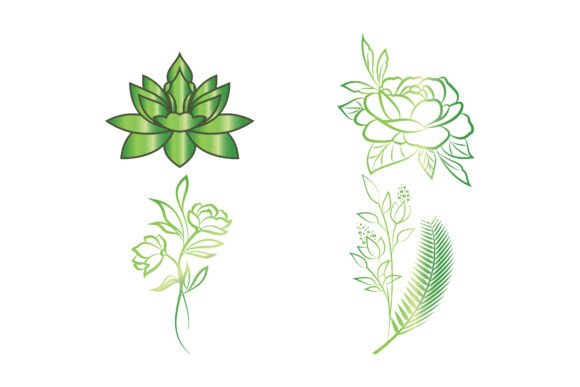
Flower Art: Elevating Design Through Natural Elegance
In the vast landscape of visual communication, few motifs resonate as deeply or universally as flower art. Whether you are a startup founder crafting a brand identity, a wellness practitioner designing a serene digital presence, or an educator creating engaging materials, floral elements offer a versatile toolkit for expression. This style transcends mere decoration; it is a sophisticated language of beauty, growth, and organic connection that can significantly enhance both aesthetic appeal and user engagement.
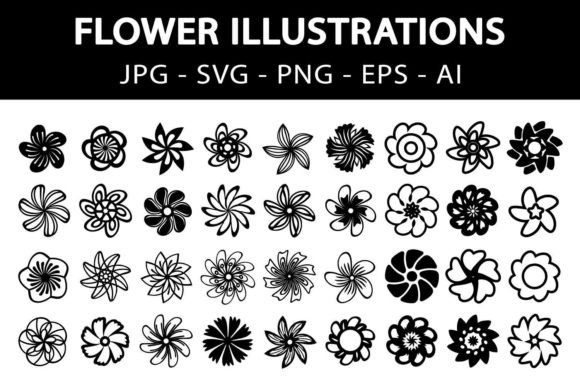
At its core, flower art encompasses a wide spectrum of designs, from highly detailed botanical illustrations to minimalist line drawings. It draws inspiration from nature’s most iconic symbols—the rose, lotus, tulip, sunflower, and leaf—reinterpreting them through modern lenses such as geometric abstraction, vintage engraving styles, or contemporary flat design. For professionals seeking to convey elegance, freshness, or luxury, integrating these natural forms into their work provides an immediate sense of trust and approachability.
The Versatility of Floral Elements in Modern Design
One of the primary strengths of flower art is its adaptability. A single floral motif can be transformed to suit vastly different contexts without losing its inherent charm. Consider the difference between a bold, colorful sunflower used in a summer campaign versus a delicate, gold-outlined rose emblem for a high-end jewelry boutique. Both utilize the same fundamental subject matter but evoke entirely different emotional responses and brand values.
This flexibility makes floral assets invaluable across various industries:
- Branding and Logo Design: Florals are frequently used to create memorable logos for spas, salons, cosmetics, and fashion boutiques. The soft curves of petals contrast beautifully with sharp typography, creating a balanced and visually pleasing logotype that feels both premium and inviting.
- Digital Interfaces: In web design and app development, floral accents can soften the rigid structure of grids and layouts. Used sparingly as background textures, dividers, or interactive icons, they improve user experience by adding warmth and personality to sterile digital environments.
- Marketing Materials: From social media banners to print brochures, floral patterns and isolated flower illustrations help capture attention. They are particularly effective for seasonal campaigns, holiday promotions like Valentine’s Day, and events such as weddings or garden parties.
- Educational and Health Content: In healthcare and wellness sectors, images of plants, leaves, and flowers reinforce concepts of health, growth, therapy, and ecology. They serve as powerful visual metaphors for recovery, vitality, and natural care.
Key Characteristics and Aesthetic Qualities
Understanding what makes flower art effective requires looking beyond just the image itself. Successful floral design relies on several key characteristics that contribute to its overall impact.
Line and Form
The use of line is perhaps the most critical aspect of modern floral illustration. Clean, continuous lines can create elegant silhouettes that are instantly recognizable even at small sizes. This "linear" style is particularly popular for icons, badges, and mobile interfaces where clarity is paramount. Conversely, more complex shading and coloring techniques can produce rich, textured backgrounds suitable for luxury branding or editorial layouts.
Symmetry and Balance
Many floral designs leverage symmetry, especially when dealing with mandalas, circular emblems, or royal-themed aesthetics. Symmetrical arrangements suggest stability, harmony, and order—qualities desirable in corporate branding and medical contexts. Asymmetrical designs, on the other hand, can convey movement, creativity, and a more organic, bohemian feel, making them ideal for artistic portfolios or lifestyle blogs.
Color Psychology
Color plays a pivotal role in how flower art is perceived. Green tones evoke feelings of nature, eco-friendliness, and renewal, making them perfect for sustainable brands. Gold accents add a layer of luxury and exclusivity, often used in wedding invitations or premium product packaging. Soft pastels suggest gentleness and femininity, while vibrant, multicolor palettes bring energy and joy, suitable for children’s products or summer festivals.
Practical Applications Across Industries
To truly appreciate the utility of flower art, it helps to examine specific use cases where these elements drive tangible results.
Wellness and Spa Industry
For yoga studios, massage therapists, and holistic health centers, flower art is not just decorative—it is thematic. Imagery of lotuses, bamboo leaves, and blooming blossoms reinforces the brand’s commitment to peace, balance, and natural healing. These visuals help potential clients visualize a calming experience before they even book an appointment.
Fashion and Beauty
The beauty industry thrives on imagery associated with enhancement and natural allure. Floral motifs are staples in makeup packaging, skincare labels, and cosmetic advertising. A well-designed floral icon can imply that a product contains natural ingredients or offers a gentle, nurturing formula. Similarly, fashion brands use floral patterns to signal trends, seasons, and feminine strength.
Events and Hospitality
Hotels, resorts, and event planners rely heavily on floral graphics to set the tone for guest experiences. Elegant floral frames and ornamental borders elevate stationery, room keys, and welcome signs. In the context of weddings, custom monograms featuring intertwined flowers become central to the entire visual identity of the celebration, from save-the-date cards to cake toppers.
Corporate and Tech Sectors
While one might not immediately associate technology with florals, many tech companies use subtle botanical elements to humanize their brands. An arrow shaped like a growing vine can symbolize innovation and progress. A clean, geometric leaf icon can represent sustainability initiatives within a corporation. These small touches make large organizations feel more accessible and environmentally conscious.
Selecting the Right Floral Assets
When incorporating flower art into your projects, selection is key. Not all floral designs are created equal, and choosing the right asset depends on your specific goals and audience.
- Consider Scalability: If you need the design for both a business card and a billboard, ensure the vector format allows for crisp scaling. Complex details may get lost at small sizes, so simpler outlines often work best for versatile applications.
- Match the Tone: A playful, hand-drawn doodle of a tulip fits perfectly on a children’s blog but may undermine the seriousness of a financial report. Always align the style of the floral element with the overall message and tone of your content.
- Check Licensing: When sourcing templates, icons, or illustrations, verify the usage rights. Commercial licenses are essential for products you intend to sell, while personal licenses suffice for hobbyist projects.
- Ensure Cohesion: Avoid mixing too many disparate floral styles. Stick to a consistent theme—whether it’s watercolor, sketch, or geometric—to maintain a professional and polished look throughout your project.
Conclusion
Flower art remains a timeless and powerful tool in the designer’s arsenal. Its ability to convey emotion, enhance aesthetics, and communicate complex ideas through simple, natural forms makes it indispensable in today’s visual culture. By understanding its nuances and applying it strategically, professionals across all fields can create more engaging, memorable, and effective communications. Whether you are building a new website, launching a product, or simply updating your social media presence, embracing the beauty of floral design can add a touch of elegance and authenticity that resonates with audiences worldwide.