Modern Geometric Frame Corner Decorativ: A Comprehensive Guide to Selection and Application
In the realm of graphic design and visual composition, the specific choice of a border element can often determine the overall success of a layout. Modern Geometric Frame Corner Decorativ represents a sophisticated intersection of structural precision and artistic flair. Unlike traditional borders that run continuously along edges, these corner elements serve as focal points that anchor a design while maintaining an open, airy aesthetic. They are particularly prevalent in contemporary projects where space is at a premium, yet the need for elegance remains paramount.
When evaluating design assets, professionals often encounter the term Modern Geometric Frame Corner Decorativ alongside descriptions like "art deco style" or "vector illustration." Understanding the nuances of this specific category is essential for making informed decisions. It is not merely a decorative flourish; it is a functional tool that guides the viewer's eye, frames content without overwhelming it, and establishes a distinct visual tone. This guide explores the characteristics, applications, and tradeoffs associated with these design elements to help you determine if they align with your current project requirements.
Distinguishing Features of Modern Geometric Frame Corner Decorativ
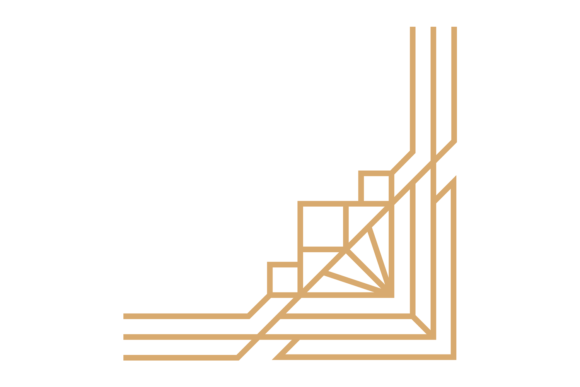
The core appeal of Modern Geometric Frame Corner Decorativ lies in its balance between rigid geometry and organic flow. While the foundation is built upon mathematical shapes—triangles, circles, lines, and polygons—the execution often incorporates the fluidity found in Art Deco movements. This style emerged during the 1920s and 30s but has been reinterpreted for the digital age, resulting in a look that feels both timeless and forward-thinking.
What sets this category apart from standard geometric patterns is the intentional use of negative space. Traditional frame corners tend to be heavy, utilizing thick lines or dense shading that can make a page feel cluttered. In contrast, modern iterations utilize thin strokes, intricate cutouts, and strategic spacing. This approach allows the content within the frame to breathe while still providing a clear boundary. The result is a design that commands attention through subtlety rather than volume.
- Symmetry and Asymmetry: While many designs feature symmetrical corners for a formal look, modern variations often employ asymmetrical balances to create dynamic tension.
- Line Weight Variation: High-quality vector illustrations allow for varying line weights, adding depth and texture that flat raster images cannot replicate.
- Scalability: As vector-based assets (typically available in EPS or SVG formats), these corners maintain crisp edges regardless of size, ensuring they look professional on everything from business cards to large-scale banners.
Comparing Formats: Vector vs. Raster Options
A critical factor when selecting Modern Geometric Frame Corner Decorativ assets is understanding the file format implications. The market typically offers these designs in two primary forms: vector files (such as EPS, AI, or SVG) and raster images (like JPG or PNG). Each format serves different needs, and the choice depends heavily on your intended output medium.
Vector illustrations are generally the superior choice for print and high-resolution web graphics. Because they are defined by mathematical equations rather than pixels, they can be scaled infinitely without losing quality. If you plan to use a corner element on a billboard or a brochure that requires precise cutting or die-lines, the vector format is indispensable. Furthermore, vectors offer flexibility; designers can easily alter colors, stroke widths, or even modify the shape of the individual geometric components to match a brand's specific palette.
Conversely, raster formats like JPG or PNG are convenient for quick integration into web layouts or presentations where file size is a concern. However, they come with significant limitations. When you attempt to enlarge a JPG version of a geometric corner, the sharp angles may become pixelated or jagged, ruining the clean aesthetic that defines the style. Additionally, raster files do not allow for easy color manipulation without complex editing software. For professional work, the investment in vector versions is usually warranted, despite the slightly larger file sizes.
Evaluating Style: Art Deco Influence in Contemporary Design
The mention of "Art Deco style" in the context of Modern Geometric Frame Corner Decorativ is not accidental. This aesthetic movement is characterized by bold geometric shapes, rich colors, and lavish ornamentation. However, modern interpretations have stripped away the excessive ornamentation, retaining only the structural essence. This creates a "neo-deco" look that fits seamlessly into minimalist interfaces while still offering a touch of luxury.
When comparing this style to other popular border options, such as organic hand-drawn flourishes or brutalist block borders, the differences become clear. Organic styles evoke a sense of warmth and informality, which might be unsuitable for corporate reports or technical documentation. Brutalist borders, with their heavy, unyielding lines, can feel too aggressive for lifestyle or editorial content. The geometric art deco style occupies a unique middle ground. It conveys authority and structure without appearing cold or dated.
This versatility makes it a strong candidate for various industries. Financial institutions might use these corners to suggest stability and precision. Fashion brands may leverage them to imply sophistication and trend-awareness. Even educational materials can benefit from the structured clarity these frames provide, helping to organize information hierarchically.
Decision Factors: When to Choose Geometric Corners
Selecting the right design element involves weighing several factors, including the nature of the content, the target audience, and the desired emotional response. Modern Geometric Frame Corner Decorativ is an excellent choice when the goal is to frame content without distracting from the message. They act as a subtle container, drawing the eye inward toward the text or imagery.
However, there are scenarios where this style might not be the optimal fit. If a project aims for a raw, unfinished, or rustic aesthetic, the polished precision of geometric frames could feel out of place. Similarly, in highly experimental or avant-garde designs where breaking all rules is the objective, a structured corner element might impose too much order. In these cases, a more chaotic or abstract border might better serve the creative vision.
Another consideration is the density of the surrounding content. If a page is already packed with complex data visualizations or dense text blocks, adding a detailed geometric corner might increase cognitive load. In such instances, a simpler, thinner line or a minimal dot pattern would be more effective. Conversely, for sparse layouts with ample white space, a more elaborate corner design can fill the void and add necessary visual weight.
Practical Applications and Implementation Strategies
To maximize the impact of Modern Geometric Frame Corner Decorativ, consider how they interact with the rest of the design system. One common strategy is to use them as "bookends" for sections of text. Placing a corner element in the top-left and bottom-right of a paragraph block can create a cohesive reading experience, guiding the user through the narrative flow.
In digital interfaces, these corners can serve as interactive cues. On mobile devices, where screen real estate is limited, small geometric accents in the corners of cards or buttons can indicate interactivity or highlight important actions. The key is consistency; once a specific geometric style is chosen, it should be applied uniformly across the project to establish a recognizable visual language.
Color selection also plays a pivotal role. While black and white remain classic choices that ensure maximum readability, using a brand-specific accent color for the geometric lines can reinforce identity. However, care must be taken to ensure sufficient contrast. A light gray geometric frame on a white background may be invisible, defeating the purpose of the decoration. Testing the design in grayscale is a useful step to verify that the structure holds up even without color.
Weighing the Tradeoffs
No design solution is without its compromises. The primary advantage of Modern Geometric Frame Corner Decorativ is its ability to elevate a design with minimal effort. However, the tradeoff lies in the potential for overuse. Because these elements are so versatile, there is a risk of applying them indiscriminately, leading to a repetitive and predictable look. To avoid this, designers should vary the scale, rotation, or complexity of the corners used throughout a single document.
Another limitation is the learning curve associated with modifying vector files. While they offer great flexibility, users unfamiliar with vector editing software may find it challenging to adjust the paths or curves of complex geometric shapes. In such cases, relying on pre-set templates or working with a designer who understands the underlying structure is advisable.
Ultimately, the decision to incorporate these elements comes down to the specific goals of the project. If the aim is to create a clean, professional, and aesthetically pleasing presentation that respects the viewer's time and attention, then Modern Geometric Frame Corner Decorativ offers a compelling solution. By balancing the rigidity of geometry with the elegance of Art Deco influences, these frames provide a robust framework for modern communication.
As you evaluate your options, remember that the best design choices are those that serve the content rather than overshadow it. Whether you choose a vector EPS file for print production or a JPG for quick web deployment, ensuring that the Modern Geometric Frame Corner Decorativ aligns with your overall visual strategy will yield the most successful results. Through careful selection and thoughtful application, these small details can transform a standard layout into a memorable and impactful piece of design.