Why a Flower Logo Elevates Your Brand Identity
In the crowded digital landscape, where attention spans are fleeting and visual noise is constant, establishing an immediate connection with your audience requires more than just a clever tagline. It demands a symbol that resonates on a subconscious level. This is where the flower logo emerges as a powerful tool for branding. Far from being merely decorative, a floral emblem serves as a sophisticated shorthand for growth, beauty, organic development, and human connection. Whether you are a wellness practitioner, a boutique owner, or a creative entrepreneur, integrating a floral design into your visual identity can transform how your business is perceived.
The Psychology of Botanical Symbols in Business
Nature has long been a source of inspiration for human creativity, and plants specifically carry deep psychological weight. A flower logo instantly communicates concepts of life, renewal, and natural elegance without requiring words to explain them. When a user sees a stylized blossom or a delicate leaf outline, their brain processes feelings of calmness, trust, and organic authenticity. This is particularly vital for industries like health, spa, cosmetics, and yoga, where the core promise is often about well-being and self-care.
Unlike geometric shapes that suggest rigidity and structure, a botanical element implies flexibility and adaptability. For a startup looking to position itself as eco-friendly or sustainable, a flower logo acts as an immediate seal of approval for those values. It signals that the brand cares about the environment and prioritizes natural ingredients or ethical practices. This subtle communication helps build credibility faster than text alone ever could.
Versatility Across Diverse Industries
One of the most compelling aspects of a floral icon is its remarkable versatility. While one might initially associate flowers with weddings or gardening, the application extends far beyond these traditional boundaries. The right flower logo can be adapted to fit almost any aesthetic, from ultra-modern minimalism to vintage luxury.
- Fashion and Beauty: A rose or tulip motif works beautifully for cosmetic brands, nail salons, and clothing boutiques. It reinforces the feminine, delicate, and artistic nature of the products while maintaining a sense of premium quality.
- Wellness and Therapy: For meditation studios, massage therapists, and mental health charities, a lotus flower or abstract foliage suggests balance, healing, and inner peace. It creates a welcoming atmosphere before a client even enters the room.
- Creative Agencies and Tech: Surprisingly, abstract floral designs are trending in the tech sector. A flower logo rendered in clean lines or geometric patterns can soften the cold image of technology, suggesting innovation that grows organically rather than being forced.
- Food and Hospitality: Hotels, restaurants, and cooking blogs use herbal elements to evoke freshness and artisanal craftsmanship. A simple branch silhouette can elevate a menu or a website header, making it feel more curated and thoughtful.
Enhancing Visual Communication and Recognition
A well-designed flower logo does more than look pretty; it solves practical problems related to brand recognition and scalability. In a world dominated by screens, your logo must work effectively at various sizes. A vector-based floral symbol ensures that whether it appears as a tiny favicon on a browser tab or a massive banner on a city bus, the essential details remain crisp and clear.
Consider the power of a single-line drawing of a flower. This style, often referred to as linear or minimalist, reduces the visual clutter while retaining the essence of the subject. It allows the brand to communicate sophistication without overwhelming the viewer. This approach is ideal for modern websites where white space is crucial for readability. By choosing a flower logo with a clean outline, you ensure that your message remains legible across all devices, from mobile phones to desktop monitors.
Furthermore, a distinctive floral emblem can serve as a unifying thread throughout your entire marketing strategy. It can appear on social media profile pictures, email signatures, business cards, product packaging, and even employee uniforms. This consistency strengthens your brand identity, making it easier for customers to recognize and remember your company. When the visual language is cohesive, the brand feels more established and trustworthy.
Customization: From Vintage to Modern
The beauty of using a flower template or custom illustration lies in the ability to tailor it to your specific narrative. You are not limited to a generic clip-art image. Instead, you can explore various styles that align with your brand's personality.
If your business aims for a vintage or antique feel, perhaps for a jewelry store or a retro-themed cafe, you might choose a flower logo with intricate details, ornamental flourishes, and a classic serif font. This evokes a sense of history and timeless elegance. On the other hand, if you are launching a new eco-friendly app or a modern wellness platform, a flat design with bold colors and simplified shapes might be more appropriate. This approach conveys energy, accessibility, and forward-thinking innovation.
You can also play with color psychology. Green tones emphasize growth and nature, while soft pastels suggest gentleness and care. Gold accents can add a touch of luxury and exclusivity, perfect for high-end fashion or premium spas. The choice of color and style in your flower logo directly influences the emotional response of your audience, allowing you to guide their perception of your brand.
Practical Considerations for Implementation
While the benefits of a flower logo are significant, it is important to approach its creation with strategic intent. A common pitfall is selecting a design that is too complex. If your floral illustration contains too many fine details, it may lose clarity when scaled down. Always test your logo in black and white first to ensure the shape holds up without relying on color. This guarantees that your brand remains recognizable even in monochrome print or embossed stationery.
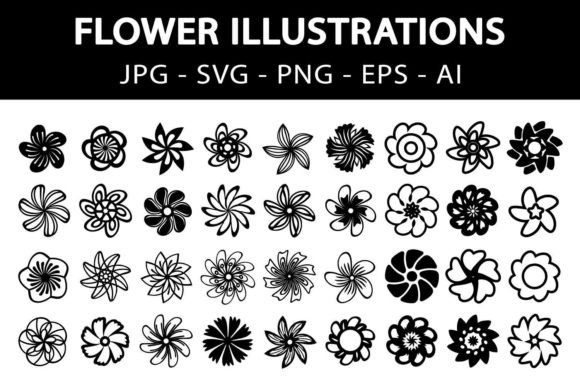
Additionally, consider the uniqueness of your design. With so many businesses using floral motifs, it is crucial to avoid clichés. Instead of a standard rose, look for unusual blooms like the crocus, saffron, or abstract interpretations of petals. Working with a professional designer or utilizing high-quality vector assets can help you create something truly original that stands out in your niche.
For small business owners and freelancers, investing in a custom flower logo is an investment in long-term equity. It saves time in the future because you won't need to constantly rebrand or update your visuals as your business grows. A solid foundation allows you to focus on what matters most: delivering value to your customers.
Making the Right Choice for Your Goals
Ultimately, the decision to adopt a floral design should stem from a genuine desire to reflect your brand's core values. If your mission involves nurturing, growth, beauty, or sustainability, a flower logo is a natural fit. However, if your industry relies heavily on industrial precision or aggressive competition, you might find that a different type of symbol better serves your goals.
Take the time to evaluate your target audience. Are they drawn to organic, handmade aesthetics? Do they appreciate the romance of nature? Understanding these preferences will help you select the right element for your identity. Whether it is a delicate wreath for a wedding planner, a strong tree silhouette for a real estate agency, or a lotus flower for a yoga studio, the right choice amplifies your message and connects with people on a deeper level.
By embracing the symbolic power of flora, you create a brand that feels alive, dynamic, and connected to the world around us. A flower logo is not just a graphic; it is a statement of your commitment to beauty, nature, and continuous growth.