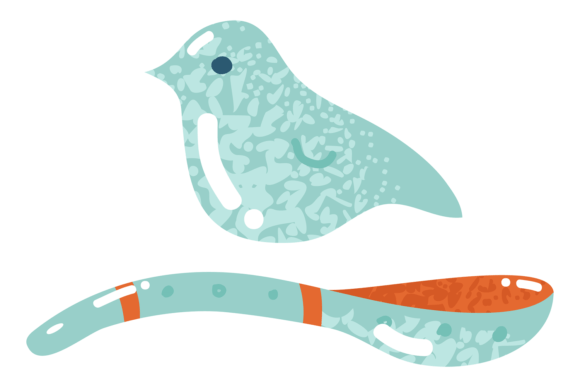
Ceramic Spoon and Bird. Traditional Rust: A Practical Guide to Evaluating This Decorative Style
The intersection of functional pottery and sculptural art has long been a favorite among interior design enthusiasts. Among the myriad options available, Ceramic Spoon and Bird. Traditional Rust stands out as a distinct aesthetic choice that bridges the gap between rustic charm and modern minimalism. For adults aged 20–50 who are currently researching home decor, evaluating product quality, or seeking specific artistic accents, understanding the nuances of this style is essential before making a purchase.
This article provides a comprehensive evaluation of Ceramic Spoon and Bird. Traditional Rust. We will explore its visual characteristics, compare it with similar decorative categories, analyze its practical applications, and help you determine whether this specific aesthetic aligns with your personal taste and spatial requirements. The goal is not to sell a single item but to provide the clarity needed to make an informed decision about integrating traditional rustic elements into contemporary spaces.
Understanding the Aesthetic: What Defines Traditional Rust?
To evaluate any decorative piece, one must first understand the stylistic foundation. "Traditional Rust" in ceramics refers to a specific finish and color palette characterized by earthy tones, textured surfaces, and a sense of age or weathering. Unlike glossy, mass-produced porcelain, items described under this umbrella often feature matte glazes, visible kiln marks, or hand-applied textures that suggest artisanal creation.
When combined with motifs like spoons and birds, the result is a narrative piece. The spoon represents utility, nourishment, and domesticity, while the bird symbolizes freedom, nature, and lightness. In the context of Ceramic Spoon and Bird. Traditional Rust, these symbols are rendered in warm, oxidized hues—think burnt sienna, terracotta, deep ochre, and charcoal gray. The "isolated on white background" presentation often seen in product listings (such as EPS or JPG formats) highlights the silhouette and texture without distraction, allowing the viewer to focus on the craftsmanship.
Key Visual Characteristics
- Earthy Color Palette: Dominance of reds, browns, and muted yellows that mimic natural soil and clay.
- Textured Surfaces: Roughness or granularity that invites touch, distinguishing it from sleek, industrial finishes.
- Organic Silhouettes: Imperfect curves and asymmetrical forms that reflect hand-building techniques rather than machine molding.
- Natural Imagery: The use of flora and fauna, specifically the spoon and bird, which evoke a connection to the countryside.
Ceramic Spoon and Bird. Traditional Rust vs. Modern Minimalist Decor
A common dilemma for homeowners is choosing between rustic warmth and modern coolness. Ceramic Spoon and Bird. Traditional Rust sits firmly in the former camp, but it can be integrated into modern spaces if done thoughtfully. Understanding the contrast helps in planning how to display such items.
The Contrast in Materiality
Modern minimalist decor typically favors glass, chrome, polished concrete, and smooth white ceramics. These materials reflect light and create a sense of spaciousness and sterility. In contrast, Traditional Rust ceramics absorb light. They feel heavy, grounded, and tactile. When you place a piece of Ceramic Spoon and Bird. Traditional Rust on a glass shelf or next to a stainless steel appliance, it creates a deliberate focal point. It acts as an anchor, breaking up the monotony of smooth surfaces.
Color Theory Implications
If your current space is dominated by cool tones (blues, grays, whites), introducing a Traditional Rust ceramic adds necessary warmth. However, if your space is already cluttered with varied colors, a rustic ceramic might add visual noise. The key is balance. The "isolated" nature of these designs allows them to stand alone as statement pieces. They do not need to match other decor; they need to complement the overall mood.
Evaluating Alternatives: Similar Styles and Materials
While Ceramic Spoon and Bird. Traditional Rust is unique, it shares DNA with several other popular decor trends. Comparing these alternatives can help refine your search.
Bohemian (Boho) Chic
Boho decor also uses earthy tones and natural materials. However, Boho tends to be more eclectic, mixing patterns, textiles, and vibrant colors. Traditional Rust is more subdued and monochromatic. If you prefer a calm, curated look over a maximalist, layered look, Traditional Rust ceramics are likely a better fit than general Boho accessories.
Farmhouse Style
Farmhouse decor overlaps significantly with Traditional Rust. Both emphasize heritage, simplicity, and rural life. The difference lies in execution. Farmhouse often includes painted wood, shiplap, and vintage kitchenware. Ceramic Spoon and Bird pieces offer a more sculptural, gallery-like approach to the farmhouse theme. They are less "kitchen-ready" and more "display-ready," making them suitable for living rooms and entryways where functional utensils would not belong.
Japandi (Japanese-Scandinavian)
Japandi blends Japanese rustic minimalism with Scandinavian functionality. While Japandi uses natural materials, it often leans toward lighter woods and neutral grays. Traditional Rust ceramics, with their deeper reds and oranges, may clash with the strict neutrality of Japandi unless used as a singular, intentional accent. However, the appreciation for imperfection (wabi-sabi) in both styles makes them compatible in spirit.
Practical Applications and Display Considerations
Once you have selected a piece of Ceramic Spoon and Bird. Traditional Rust, placement is critical. Because these items are often fragile and visually dense, they require specific handling to enhance their appeal.
Shelving and Mantels
The most effective display method is isolation. As suggested by the product descriptions often found online, these pieces shine when given breathing room. Place a ceramic bird holding a spoon on a floating shelf with ample empty space around it. Avoid clustering multiple rustic items together, as this can create a "cluttered" effect that diminishes the elegance of the individual piece.
Lighting Interactions
Due to the matte and textured nature of Traditional Rust ceramics, lighting plays a huge role. Direct, harsh overhead lighting can flatten the image and hide the texture. Instead, use directional spotlights or warm ambient lighting from the side. This will cast subtle shadows in the crevices of the ceramic, emphasizing the three-dimensional form of the spoon and bird. The interplay of light and shadow brings the "rustic" feel to life, highlighting the handcrafted details.
Surface Pairings
Consider what surface the ceramic rests upon. Wood enhances the rustic vibe, creating a cohesive natural look. Stone or marble provides a striking contrast, making the warm tones of the ceramic pop against cool, hard surfaces. Metal bases can introduce an industrial edge, appealing to those who want to blend rustic with urban styles.
Tradeoffs and Limitations: What to Watch Out For
No decor style is perfect for every situation. Before investing in Ceramic Spoon and Bird. Traditional Rust, consider the following limitations.
- Fragility: Traditional rust finishes often involve thicker glazes or textured bodies that can be more prone to chipping if knocked. These are decorative objects, not tableware. Ensure they are placed out of reach of small children or pets.
- Dust Accumulation: Textured surfaces collect dust more readily than smooth glazed ceramics. If you live in a dusty environment or have allergies, be prepared for regular, gentle cleaning with a soft brush or air duster.
- Style Mismatch: As noted, these pieces do not fit well in ultra-modern, high-gloss environments. They require a certain level of warmth and texture in the surrounding space to feel intentional rather than misplaced.
- Quality Variance: "Traditional Rust" is a descriptive term, not a standardized certification. Quality can vary wildly between artisanal makers and mass-produced imitations. Check reviews for mentions of glaze consistency, structural integrity, and color accuracy compared to product images.
Decision Framework: Is This Right for You?
To summarize, here is a quick guide to help you decide if Ceramic Spoon and Bird. Traditional Rust fits your needs.
- Do you value craftsmanship over uniformity? If yes, this style celebrates the slight irregularities of handmade pottery.
- Is your space lacking warmth? If your home feels too cold or sterile, the earthy tones of Traditional Rust can add inviting comfort.
- Are you looking for a conversation starter? The combination of spoon and bird is symbolic and unique, offering guests something interesting to discuss.
- Do you prefer low-maintenance decor? If so, proceed with caution due to the dust-collecting texture. Otherwise, enjoy the tactile beauty.
In conclusion, Ceramic Spoon and Bird. Traditional Rust offers a sophisticated blend of nature-inspired symbolism and artisanal texture. It is not merely a decoration but a statement of preference for organic, grounded aesthetics. By understanding its contrasts with modern styles, its practical display needs, and its inherent tradeoffs, you can confidently integrate this piece into your home. Whether used as a solitary accent on a minimalist shelf or part of a curated rustic vignette, it brings a timeless, earthy elegance that resonates with those who appreciate the beauty of traditional craftsmanship.